Compare commits
1 commit
main
...
interactiv
| Author | SHA1 | Date | |
|---|---|---|---|
| a033871771 |

34 changed files with 621 additions and 1810 deletions
48
.github/workflows/codeql.yml
vendored
Normal file
48
.github/workflows/codeql.yml
vendored
Normal file
|
|
@ -0,0 +1,48 @@
|
|||
# SPDX-FileCopyrightText: 2022 Jeff Epler
|
||||
#
|
||||
# SPDX-License-Identifier: CC0-1.0
|
||||
|
||||
name: "CodeQL"
|
||||
|
||||
on:
|
||||
push:
|
||||
branches: [ "main" ]
|
||||
pull_request:
|
||||
branches: [ "main" ]
|
||||
schedule:
|
||||
- cron: "53 3 * * 5"
|
||||
|
||||
jobs:
|
||||
analyze:
|
||||
name: Analyze
|
||||
runs-on: ubuntu-latest
|
||||
permissions:
|
||||
actions: read
|
||||
contents: read
|
||||
security-events: write
|
||||
|
||||
strategy:
|
||||
fail-fast: false
|
||||
matrix:
|
||||
language: [ python ]
|
||||
|
||||
steps:
|
||||
- name: Checkout
|
||||
uses: actions/checkout@v3
|
||||
|
||||
- name: Install Dependencies (python)
|
||||
run: pip3 install -r requirements-dev.txt
|
||||
|
||||
- name: Initialize CodeQL
|
||||
uses: github/codeql-action/init@v2
|
||||
with:
|
||||
languages: ${{ matrix.language }}
|
||||
queries: +security-and-quality
|
||||
|
||||
- name: Autobuild
|
||||
uses: github/codeql-action/autobuild@v2
|
||||
|
||||
- name: Perform CodeQL Analysis
|
||||
uses: github/codeql-action/analyze@v2
|
||||
with:
|
||||
category: "/language:${{ matrix.language }}"
|
||||
6
.github/workflows/release.yml
vendored
6
.github/workflows/release.yml
vendored
|
|
@ -18,12 +18,12 @@ jobs:
|
|||
GITHUB_CONTEXT: ${{ toJson(github) }}
|
||||
run: echo "$GITHUB_CONTEXT"
|
||||
|
||||
- uses: actions/checkout@v4
|
||||
- uses: actions/checkout@v3
|
||||
|
||||
- name: Set up Python
|
||||
uses: actions/setup-python@v5
|
||||
uses: actions/setup-python@v4
|
||||
with:
|
||||
python-version: 3.11
|
||||
python-version: 3.9
|
||||
|
||||
- name: Install deps
|
||||
run: |
|
||||
|
|
|
|||
17
.github/workflows/test.yml
vendored
17
.github/workflows/test.yml
vendored
|
|
@ -17,10 +17,10 @@ jobs:
|
|||
runs-on: ubuntu-22.04
|
||||
steps:
|
||||
|
||||
- uses: actions/checkout@v4
|
||||
- uses: actions/checkout@v3
|
||||
|
||||
- name: pre-commit
|
||||
uses: pre-commit/action@v3.0.1
|
||||
uses: pre-commit/action@v3.0.0
|
||||
|
||||
- name: Make patch
|
||||
if: failure()
|
||||
|
|
@ -28,7 +28,7 @@ jobs:
|
|||
|
||||
- name: Upload patch
|
||||
if: failure()
|
||||
uses: actions/upload-artifact@v4
|
||||
uses: actions/upload-artifact@v3
|
||||
with:
|
||||
name: patch
|
||||
path: ~/pre-commit.patch
|
||||
|
|
@ -36,24 +36,21 @@ jobs:
|
|||
test-release:
|
||||
runs-on: ubuntu-22.04
|
||||
steps:
|
||||
- uses: actions/checkout@v4
|
||||
- uses: actions/checkout@v3
|
||||
|
||||
- name: Set up Python
|
||||
uses: actions/setup-python@v5
|
||||
uses: actions/setup-python@v4
|
||||
with:
|
||||
python-version: 3.11
|
||||
python-version: 3.9
|
||||
|
||||
- name: install deps
|
||||
run: pip install -r requirements-dev.txt
|
||||
|
||||
- name: check types with mypy
|
||||
run: make
|
||||
|
||||
- name: Build release
|
||||
run: python -mbuild
|
||||
|
||||
- name: Upload artifacts
|
||||
uses: actions/upload-artifact@v4
|
||||
uses: actions/upload-artifact@v3
|
||||
with:
|
||||
name: dist
|
||||
path: dist/*
|
||||
|
|
|
|||
2
.gitignore
vendored
2
.gitignore
vendored
|
|
@ -7,5 +7,3 @@ __pycache__
|
|||
/build
|
||||
/dist
|
||||
/src/chap/__version__.py
|
||||
/venv
|
||||
/keys.log
|
||||
|
|
|
|||
|
|
@ -6,29 +6,31 @@ default_language_version:
|
|||
python: python3
|
||||
|
||||
repos:
|
||||
- repo: https://github.com/psf/black
|
||||
rev: 23.1.0
|
||||
hooks:
|
||||
- id: black
|
||||
- repo: https://github.com/pre-commit/pre-commit-hooks
|
||||
rev: v4.5.0
|
||||
rev: v4.4.0
|
||||
hooks:
|
||||
- id: check-yaml
|
||||
- id: end-of-file-fixer
|
||||
exclude: tests
|
||||
- id: trailing-whitespace
|
||||
exclude: tests
|
||||
- repo: https://github.com/codespell-project/codespell
|
||||
rev: v2.2.6
|
||||
hooks:
|
||||
- id: codespell
|
||||
args: [-w]
|
||||
- repo: https://github.com/fsfe/reuse-tool
|
||||
rev: v2.1.0
|
||||
rev: v1.1.2
|
||||
hooks:
|
||||
- id: reuse
|
||||
- repo: https://github.com/astral-sh/ruff-pre-commit
|
||||
# Ruff version.
|
||||
rev: v0.1.6
|
||||
- repo: https://github.com/pycqa/isort
|
||||
rev: 5.12.0
|
||||
hooks:
|
||||
# Run the linter.
|
||||
- id: ruff
|
||||
args: [ --fix, --preview ]
|
||||
# Run the formatter.
|
||||
- id: ruff-format
|
||||
- id: isort
|
||||
name: isort (python)
|
||||
args: ['--profile', 'black']
|
||||
- repo: https://github.com/pycqa/pylint
|
||||
rev: v2.17.0
|
||||
hooks:
|
||||
- id: pylint
|
||||
additional_dependencies: [click,dataclasses_json,httpx,lorem-text,simple-parsing,'textual>=0.18.0',tiktoken,websockets]
|
||||
args: ['--source-roots', 'src']
|
||||
|
|
|
|||
12
.pylintrc
Normal file
12
.pylintrc
Normal file
|
|
@ -0,0 +1,12 @@
|
|||
# SPDX-FileCopyrightText: 2023 Jeff Epler <jepler@gmail.com>
|
||||
#
|
||||
# SPDX-License-Identifier: MIT
|
||||
|
||||
[MESSAGES CONTROL]
|
||||
disable=
|
||||
duplicate-code,
|
||||
invalid-name,
|
||||
line-too-long,
|
||||
missing-class-docstring,
|
||||
missing-function-docstring,
|
||||
missing-module-docstring,
|
||||
|
|
@ -1,153 +0,0 @@
|
|||
<!--
|
||||
SPDX-FileCopyrightText: 2023 Organization for Ethical Source
|
||||
SPDX-FileContributor: Alva <alva@alva.email>
|
||||
SPDX-FileContributor: Bantik <corey@idolhands.com>
|
||||
SPDX-FileContributor: CoralineAda <coraline@idolhands.com>
|
||||
SPDX-FileContributor: Dan Gillean <fiver-watson@users.noreply.github.com>
|
||||
SPDX-FileContributor: Drew Gates <aranaur@users.noreply.github.com>
|
||||
SPDX-FileContributor: Frederik Dudzik <4004blog@gmail.com>
|
||||
SPDX-FileContributor: Ilya Vassilevsky <vassilevsky@gmail.com>
|
||||
SPDX-FileContributor: Jeff Epler <jepler@gmail.com>
|
||||
SPDX-FileContributor: Juanito Fatas <katehuang0320@gmail.com>
|
||||
SPDX-FileContributor: Kerri Miller <kerrizor@kerrizor.com>
|
||||
SPDX-FileContributor: Kurtis Rainbolt-Greene <me@kurtisrainboltgreene.name>
|
||||
SPDX-FileContributor: Oliver Galvin <odg@riseup.net>
|
||||
SPDX-FileContributor: Strand McCutchen <smccutchen@instructure.com>
|
||||
SPDX-FileContributor: Strand McCutchen <strand@bettermistak.es>
|
||||
SPDX-FileContributor: Vítor Galvão <info@vitorgalvao.com>
|
||||
|
||||
SPDX-License-Identifier: CC-BY-4.0
|
||||
-->
|
||||
|
||||
# unpythonic.net Code of Conduct
|
||||
|
||||
## Our Pledge
|
||||
|
||||
We as members, contributors, and leaders pledge to make participation in our
|
||||
community a harassment-free experience for everyone, regardless of age, body
|
||||
size, visible or invisible disability, ethnicity, sex characteristics, gender
|
||||
identity and expression, level of experience, education, socio-economic status,
|
||||
nationality, personal appearance, race, caste, color, religion, or sexual identity
|
||||
and orientation.
|
||||
|
||||
We pledge to act and interact in ways that contribute to an open, welcoming,
|
||||
diverse, inclusive, and healthy community.
|
||||
|
||||
## Our Standards
|
||||
|
||||
Examples of behavior that contributes to a positive environment for our
|
||||
community include:
|
||||
|
||||
* Demonstrating empathy and kindness toward other people
|
||||
* Being respectful of differing opinions, viewpoints, and experiences
|
||||
* Giving and gracefully accepting constructive feedback
|
||||
* Accepting responsibility and apologizing to those affected by our mistakes,
|
||||
and learning from the experience
|
||||
* Focusing on what is best not just for us as individuals, but for the
|
||||
overall community
|
||||
|
||||
Examples of unacceptable behavior include:
|
||||
|
||||
* The use of sexualized language or imagery, and sexual attention or
|
||||
advances of any kind
|
||||
* Trolling, insulting or derogatory comments, and personal or political attacks
|
||||
* Public or private harassment
|
||||
* Publishing others' private information, such as a physical or email
|
||||
address, without their explicit permission
|
||||
* Other conduct which could reasonably be considered inappropriate in a
|
||||
professional setting
|
||||
|
||||
## Enforcement Responsibilities
|
||||
|
||||
Community leaders are responsible for clarifying and enforcing our standards of
|
||||
acceptable behavior and will take appropriate and fair corrective action in
|
||||
response to any behavior that they deem inappropriate, threatening, offensive,
|
||||
or harmful.
|
||||
|
||||
Community leaders have the right and responsibility to remove, edit, or reject
|
||||
comments, commits, code, wiki edits, issues, and other contributions that are
|
||||
not aligned to this Code of Conduct, and will communicate reasons for moderation
|
||||
decisions when appropriate.
|
||||
|
||||
## Scope
|
||||
|
||||
This Code of Conduct applies within all community spaces, and also applies when
|
||||
an individual is officially representing the community in public spaces.
|
||||
Examples of representing our community include using an official e-mail address,
|
||||
posting via an official social media account, or acting as an appointed
|
||||
representative at an online or offline event.
|
||||
|
||||
## Enforcement
|
||||
|
||||
Instances of abusive, harassing, or otherwise unacceptable behavior may be
|
||||
reported to the community leaders responsible for enforcement at
|
||||
*jepler@gmail.com*.
|
||||
All complaints will be reviewed and investigated promptly and fairly.
|
||||
|
||||
All community leaders are obligated to respect the privacy and security of the
|
||||
reporter of any incident.
|
||||
|
||||
## Enforcement Guidelines
|
||||
|
||||
Community leaders will follow these Community Impact Guidelines in determining
|
||||
the consequences for any action they deem in violation of this Code of Conduct:
|
||||
|
||||
### 1. Correction
|
||||
|
||||
**Community Impact**: Use of inappropriate language or other behavior deemed
|
||||
unprofessional or unwelcome in the community.
|
||||
|
||||
**Consequence**: A private, written warning from community leaders, providing
|
||||
clarity around the nature of the violation and an explanation of why the
|
||||
behavior was inappropriate. A public apology may be requested.
|
||||
|
||||
### 2. Warning
|
||||
|
||||
**Community Impact**: A violation through a single incident or series
|
||||
of actions.
|
||||
|
||||
**Consequence**: A warning with consequences for continued behavior. No
|
||||
interaction with the people involved, including unsolicited interaction with
|
||||
those enforcing the Code of Conduct, for a specified period of time. This
|
||||
includes avoiding interactions in community spaces as well as external channels
|
||||
like social media. Violating these terms may lead to a temporary or
|
||||
permanent ban.
|
||||
|
||||
### 3. Temporary Ban
|
||||
|
||||
**Community Impact**: A serious violation of community standards, including
|
||||
sustained inappropriate behavior.
|
||||
|
||||
**Consequence**: A temporary ban from any sort of interaction or public
|
||||
communication with the community for a specified period of time. No public or
|
||||
private interaction with the people involved, including unsolicited interaction
|
||||
with those enforcing the Code of Conduct, is allowed during this period.
|
||||
Violating these terms may lead to a permanent ban.
|
||||
|
||||
### 4. Permanent Ban
|
||||
|
||||
**Community Impact**: Demonstrating a pattern of violation of community
|
||||
standards, including sustained inappropriate behavior, harassment of an
|
||||
individual, or aggression toward or disparagement of classes of individuals.
|
||||
|
||||
**Consequence**: A permanent ban from any sort of public interaction within
|
||||
the community.
|
||||
|
||||
## Attribution
|
||||
|
||||
This Code of Conduct is adapted from the [Contributor Covenant][homepage],
|
||||
version 2.1, available at
|
||||
[https://www.contributor-covenant.org/version/2/1/code_of_conduct.html][v2.1].
|
||||
|
||||
Community Impact Guidelines were inspired by
|
||||
[Mozilla's code of conduct enforcement ladder][Mozilla CoC].
|
||||
|
||||
For answers to common questions about this code of conduct, see the FAQ at
|
||||
[https://www.contributor-covenant.org/faq][FAQ]. Translations are available
|
||||
at [https://www.contributor-covenant.org/translations][translations].
|
||||
|
||||
[homepage]: https://www.contributor-covenant.org
|
||||
[v2.1]: https://www.contributor-covenant.org/version/2/1/code_of_conduct.html
|
||||
[Mozilla CoC]: https://github.com/mozilla/diversity
|
||||
[FAQ]: https://www.contributor-covenant.org/faq
|
||||
[translations]: https://www.contributor-covenant.org/translations
|
||||
|
|
@ -1,41 +0,0 @@
|
|||
<!--
|
||||
SPDX-FileCopyrightText: 2023 Jeff Epler <jepler@gmail.com>
|
||||
|
||||
SPDX-License-Identifier: MIT
|
||||
-->
|
||||
|
||||
# Contributing
|
||||
|
||||
Please feel free to submit pull requests or open issues to improve this project.
|
||||
|
||||
There's no particular roadmap for chap, it was created to scratch the original developer's itch but has been useful to others as well.
|
||||
If you're looking for a way to contribute, check out the open issues.
|
||||
If you want to discuss a possible enhancement before beginning work, opening a fresh issue is a good way to start a dialog about your idea.
|
||||
|
||||
## Code style & linting with pre-commit
|
||||
|
||||
This project uses [pre-commit](https://pre-commit.com/) to maintain the code's style and perform some quality checks.
|
||||
First, install pre-commit: `pip install pre-commit`.
|
||||
Then, enable pre-commit via git "hooks" so that (most of the time) pre-commit checks are performed at the time a git commit is made: `pre-commit install`.
|
||||
If necessary, you can run pre-commit checks manually for one or more files: `pre-commit run --all` or `pre-commit run --files src/chap/main.py`.
|
||||
|
||||
Some tools (e.g., black) will automatically update the working files with whatever changes they recommend.
|
||||
Other tools (e.g., pylint) will just tell you what is wrong and require your intervention to fix it.
|
||||
It is acceptable to use hints like `# pylint: ignore=diagnostic-kind` when it's preferable to actually resolving the reported problem
|
||||
(e.g., if the report is spurious or a non-standard construct is used for well-considered reasons)
|
||||
|
||||
When you create a pull request, `pre-commit run --all` is run in a standardized environment, which occasionally catches things that were not seen locally.
|
||||
That green checkmark in github actions is the final arbiter of whether the code is pre-commit clean.
|
||||
|
||||
## Type checking with mypy
|
||||
|
||||
This project uses [mypy](https://www.mypy-lang.org/) for type-checking.
|
||||
If your system has `make`, you can type-check the project with: `make`.
|
||||
Otherwise, you need to perform several setup steps:
|
||||
* create a virtual environment at "venv": `python -mvenv venv`
|
||||
* install dependencies in the virtual environment: `venv/bin/pip install -r requirements.txt 'mypy!=1.7.0'`
|
||||
|
||||
Then, type check with: `venv/bin/mypy`
|
||||
|
||||
When you create a pull request, mypy is run in a standardized environment, which occasionally catches things that were not seen locally.
|
||||
That green checkmark in github actions is the final arbiter of whether the code is mypy clean.
|
||||
|
|
@ -1,156 +0,0 @@
|
|||
Creative Commons Attribution 4.0 International
|
||||
|
||||
Creative Commons Corporation (“Creative Commons”) is not a law firm and does not provide legal services or legal advice. Distribution of Creative Commons public licenses does not create a lawyer-client or other relationship. Creative Commons makes its licenses and related information available on an “as-is” basis. Creative Commons gives no warranties regarding its licenses, any material licensed under their terms and conditions, or any related information. Creative Commons disclaims all liability for damages resulting from their use to the fullest extent possible.
|
||||
|
||||
Using Creative Commons Public Licenses
|
||||
|
||||
Creative Commons public licenses provide a standard set of terms and conditions that creators and other rights holders may use to share original works of authorship and other material subject to copyright and certain other rights specified in the public license below. The following considerations are for informational purposes only, are not exhaustive, and do not form part of our licenses.
|
||||
|
||||
Considerations for licensors: Our public licenses are intended for use by those authorized to give the public permission to use material in ways otherwise restricted by copyright and certain other rights. Our licenses are irrevocable. Licensors should read and understand the terms and conditions of the license they choose before applying it. Licensors should also secure all rights necessary before applying our licenses so that the public can reuse the material as expected. Licensors should clearly mark any material not subject to the license. This includes other CC-licensed material, or material used under an exception or limitation to copyright. More considerations for licensors.
|
||||
|
||||
Considerations for the public: By using one of our public licenses, a licensor grants the public permission to use the licensed material under specified terms and conditions. If the licensor’s permission is not necessary for any reason–for example, because of any applicable exception or limitation to copyright–then that use is not regulated by the license. Our licenses grant only permissions under copyright and certain other rights that a licensor has authority to grant. Use of the licensed material may still be restricted for other reasons, including because others have copyright or other rights in the material. A licensor may make special requests, such as asking that all changes be marked or described. Although not required by our licenses, you are encouraged to respect those requests where reasonable. More considerations for the public.
|
||||
|
||||
Creative Commons Attribution 4.0 International Public License
|
||||
|
||||
By exercising the Licensed Rights (defined below), You accept and agree to be bound by the terms and conditions of this Creative Commons Attribution 4.0 International Public License ("Public License"). To the extent this Public License may be interpreted as a contract, You are granted the Licensed Rights in consideration of Your acceptance of these terms and conditions, and the Licensor grants You such rights in consideration of benefits the Licensor receives from making the Licensed Material available under these terms and conditions.
|
||||
|
||||
Section 1 – Definitions.
|
||||
|
||||
a. Adapted Material means material subject to Copyright and Similar Rights that is derived from or based upon the Licensed Material and in which the Licensed Material is translated, altered, arranged, transformed, or otherwise modified in a manner requiring permission under the Copyright and Similar Rights held by the Licensor. For purposes of this Public License, where the Licensed Material is a musical work, performance, or sound recording, Adapted Material is always produced where the Licensed Material is synched in timed relation with a moving image.
|
||||
|
||||
b. Adapter's License means the license You apply to Your Copyright and Similar Rights in Your contributions to Adapted Material in accordance with the terms and conditions of this Public License.
|
||||
|
||||
c. Copyright and Similar Rights means copyright and/or similar rights closely related to copyright including, without limitation, performance, broadcast, sound recording, and Sui Generis Database Rights, without regard to how the rights are labeled or categorized. For purposes of this Public License, the rights specified in Section 2(b)(1)-(2) are not Copyright and Similar Rights.
|
||||
|
||||
d. Effective Technological Measures means those measures that, in the absence of proper authority, may not be circumvented under laws fulfilling obligations under Article 11 of the WIPO Copyright Treaty adopted on December 20, 1996, and/or similar international agreements.
|
||||
|
||||
e. Exceptions and Limitations means fair use, fair dealing, and/or any other exception or limitation to Copyright and Similar Rights that applies to Your use of the Licensed Material.
|
||||
|
||||
f. Licensed Material means the artistic or literary work, database, or other material to which the Licensor applied this Public License.
|
||||
|
||||
g. Licensed Rights means the rights granted to You subject to the terms and conditions of this Public License, which are limited to all Copyright and Similar Rights that apply to Your use of the Licensed Material and that the Licensor has authority to license.
|
||||
|
||||
h. Licensor means the individual(s) or entity(ies) granting rights under this Public License.
|
||||
|
||||
i. Share means to provide material to the public by any means or process that requires permission under the Licensed Rights, such as reproduction, public display, public performance, distribution, dissemination, communication, or importation, and to make material available to the public including in ways that members of the public may access the material from a place and at a time individually chosen by them.
|
||||
|
||||
j. Sui Generis Database Rights means rights other than copyright resulting from Directive 96/9/EC of the European Parliament and of the Council of 11 March 1996 on the legal protection of databases, as amended and/or succeeded, as well as other essentially equivalent rights anywhere in the world.
|
||||
|
||||
k. You means the individual or entity exercising the Licensed Rights under this Public License. Your has a corresponding meaning.
|
||||
|
||||
Section 2 – Scope.
|
||||
|
||||
a. License grant.
|
||||
|
||||
1. Subject to the terms and conditions of this Public License, the Licensor hereby grants You a worldwide, royalty-free, non-sublicensable, non-exclusive, irrevocable license to exercise the Licensed Rights in the Licensed Material to:
|
||||
|
||||
A. reproduce and Share the Licensed Material, in whole or in part; and
|
||||
|
||||
B. produce, reproduce, and Share Adapted Material.
|
||||
|
||||
2. Exceptions and Limitations. For the avoidance of doubt, where Exceptions and Limitations apply to Your use, this Public License does not apply, and You do not need to comply with its terms and conditions.
|
||||
|
||||
3. Term. The term of this Public License is specified in Section 6(a).
|
||||
|
||||
4. Media and formats; technical modifications allowed. The Licensor authorizes You to exercise the Licensed Rights in all media and formats whether now known or hereafter created, and to make technical modifications necessary to do so. The Licensor waives and/or agrees not to assert any right or authority to forbid You from making technical modifications necessary to exercise the Licensed Rights, including technical modifications necessary to circumvent Effective Technological Measures. For purposes of this Public License, simply making modifications authorized by this Section 2(a)(4) never produces Adapted Material.
|
||||
|
||||
5. Downstream recipients.
|
||||
|
||||
A. Offer from the Licensor – Licensed Material. Every recipient of the Licensed Material automatically receives an offer from the Licensor to exercise the Licensed Rights under the terms and conditions of this Public License.
|
||||
|
||||
B. No downstream restrictions. You may not offer or impose any additional or different terms or conditions on, or apply any Effective Technological Measures to, the Licensed Material if doing so restricts exercise of the Licensed Rights by any recipient of the Licensed Material.
|
||||
|
||||
6. No endorsement. Nothing in this Public License constitutes or may be construed as permission to assert or imply that You are, or that Your use of the Licensed Material is, connected with, or sponsored, endorsed, or granted official status by, the Licensor or others designated to receive attribution as provided in Section 3(a)(1)(A)(i).
|
||||
|
||||
b. Other rights.
|
||||
|
||||
1. Moral rights, such as the right of integrity, are not licensed under this Public License, nor are publicity, privacy, and/or other similar personality rights; however, to the extent possible, the Licensor waives and/or agrees not to assert any such rights held by the Licensor to the limited extent necessary to allow You to exercise the Licensed Rights, but not otherwise.
|
||||
|
||||
2. Patent and trademark rights are not licensed under this Public License.
|
||||
|
||||
3. To the extent possible, the Licensor waives any right to collect royalties from You for the exercise of the Licensed Rights, whether directly or through a collecting society under any voluntary or waivable statutory or compulsory licensing scheme. In all other cases the Licensor expressly reserves any right to collect such royalties.
|
||||
|
||||
Section 3 – License Conditions.
|
||||
|
||||
Your exercise of the Licensed Rights is expressly made subject to the following conditions.
|
||||
|
||||
a. Attribution.
|
||||
|
||||
1. If You Share the Licensed Material (including in modified form), You must:
|
||||
|
||||
A. retain the following if it is supplied by the Licensor with the Licensed Material:
|
||||
|
||||
i. identification of the creator(s) of the Licensed Material and any others designated to receive attribution, in any reasonable manner requested by the Licensor (including by pseudonym if designated);
|
||||
|
||||
ii. a copyright notice;
|
||||
|
||||
iii. a notice that refers to this Public License;
|
||||
|
||||
iv. a notice that refers to the disclaimer of warranties;
|
||||
|
||||
v. a URI or hyperlink to the Licensed Material to the extent reasonably practicable;
|
||||
|
||||
B. indicate if You modified the Licensed Material and retain an indication of any previous modifications; and
|
||||
|
||||
C. indicate the Licensed Material is licensed under this Public License, and include the text of, or the URI or hyperlink to, this Public License.
|
||||
|
||||
2. You may satisfy the conditions in Section 3(a)(1) in any reasonable manner based on the medium, means, and context in which You Share the Licensed Material. For example, it may be reasonable to satisfy the conditions by providing a URI or hyperlink to a resource that includes the required information.
|
||||
|
||||
3. If requested by the Licensor, You must remove any of the information required by Section 3(a)(1)(A) to the extent reasonably practicable.
|
||||
|
||||
4. If You Share Adapted Material You produce, the Adapter's License You apply must not prevent recipients of the Adapted Material from complying with this Public License.
|
||||
|
||||
Section 4 – Sui Generis Database Rights.
|
||||
|
||||
Where the Licensed Rights include Sui Generis Database Rights that apply to Your use of the Licensed Material:
|
||||
|
||||
a. for the avoidance of doubt, Section 2(a)(1) grants You the right to extract, reuse, reproduce, and Share all or a substantial portion of the contents of the database;
|
||||
|
||||
b. if You include all or a substantial portion of the database contents in a database in which You have Sui Generis Database Rights, then the database in which You have Sui Generis Database Rights (but not its individual contents) is Adapted Material; and
|
||||
|
||||
c. You must comply with the conditions in Section 3(a) if You Share all or a substantial portion of the contents of the database.
|
||||
For the avoidance of doubt, this Section 4 supplements and does not replace Your obligations under this Public License where the Licensed Rights include other Copyright and Similar Rights.
|
||||
|
||||
Section 5 – Disclaimer of Warranties and Limitation of Liability.
|
||||
|
||||
a. Unless otherwise separately undertaken by the Licensor, to the extent possible, the Licensor offers the Licensed Material as-is and as-available, and makes no representations or warranties of any kind concerning the Licensed Material, whether express, implied, statutory, or other. This includes, without limitation, warranties of title, merchantability, fitness for a particular purpose, non-infringement, absence of latent or other defects, accuracy, or the presence or absence of errors, whether or not known or discoverable. Where disclaimers of warranties are not allowed in full or in part, this disclaimer may not apply to You.
|
||||
|
||||
b. To the extent possible, in no event will the Licensor be liable to You on any legal theory (including, without limitation, negligence) or otherwise for any direct, special, indirect, incidental, consequential, punitive, exemplary, or other losses, costs, expenses, or damages arising out of this Public License or use of the Licensed Material, even if the Licensor has been advised of the possibility of such losses, costs, expenses, or damages. Where a limitation of liability is not allowed in full or in part, this limitation may not apply to You.
|
||||
|
||||
c. The disclaimer of warranties and limitation of liability provided above shall be interpreted in a manner that, to the extent possible, most closely approximates an absolute disclaimer and waiver of all liability.
|
||||
|
||||
Section 6 – Term and Termination.
|
||||
|
||||
a. This Public License applies for the term of the Copyright and Similar Rights licensed here. However, if You fail to comply with this Public License, then Your rights under this Public License terminate automatically.
|
||||
|
||||
b. Where Your right to use the Licensed Material has terminated under Section 6(a), it reinstates:
|
||||
|
||||
1. automatically as of the date the violation is cured, provided it is cured within 30 days of Your discovery of the violation; or
|
||||
|
||||
2. upon express reinstatement by the Licensor.
|
||||
|
||||
c. For the avoidance of doubt, this Section 6(b) does not affect any right the Licensor may have to seek remedies for Your violations of this Public License.
|
||||
|
||||
d. For the avoidance of doubt, the Licensor may also offer the Licensed Material under separate terms or conditions or stop distributing the Licensed Material at any time; however, doing so will not terminate this Public License.
|
||||
|
||||
e. Sections 1, 5, 6, 7, and 8 survive termination of this Public License.
|
||||
|
||||
Section 7 – Other Terms and Conditions.
|
||||
|
||||
a. The Licensor shall not be bound by any additional or different terms or conditions communicated by You unless expressly agreed.
|
||||
|
||||
b. Any arrangements, understandings, or agreements regarding the Licensed Material not stated herein are separate from and independent of the terms and conditions of this Public License.
|
||||
|
||||
Section 8 – Interpretation.
|
||||
|
||||
a. For the avoidance of doubt, this Public License does not, and shall not be interpreted to, reduce, limit, restrict, or impose conditions on any use of the Licensed Material that could lawfully be made without permission under this Public License.
|
||||
|
||||
b. To the extent possible, if any provision of this Public License is deemed unenforceable, it shall be automatically reformed to the minimum extent necessary to make it enforceable. If the provision cannot be reformed, it shall be severed from this Public License without affecting the enforceability of the remaining terms and conditions.
|
||||
|
||||
c. No term or condition of this Public License will be waived and no failure to comply consented to unless expressly agreed to by the Licensor.
|
||||
|
||||
d. Nothing in this Public License constitutes or may be interpreted as a limitation upon, or waiver of, any privileges and immunities that apply to the Licensor or You, including from the legal processes of any jurisdiction or authority.
|
||||
|
||||
Creative Commons is not a party to its public licenses. Notwithstanding, Creative Commons may elect to apply one of its public licenses to material it publishes and in those instances will be considered the “Licensor.” Except for the limited purpose of indicating that material is shared under a Creative Commons public license or as otherwise permitted by the Creative Commons policies published at creativecommons.org/policies, Creative Commons does not authorize the use of the trademark “Creative Commons” or any other trademark or logo of Creative Commons without its prior written consent including, without limitation, in connection with any unauthorized modifications to any of its public licenses or any other arrangements, understandings, or agreements concerning use of licensed material. For the avoidance of doubt, this paragraph does not form part of the public licenses.
|
||||
|
||||
Creative Commons may be contacted at creativecommons.org.
|
||||
121
LICENSES/CC0-1.0.txt
Normal file
121
LICENSES/CC0-1.0.txt
Normal file
|
|
@ -0,0 +1,121 @@
|
|||
Creative Commons Legal Code
|
||||
|
||||
CC0 1.0 Universal
|
||||
|
||||
CREATIVE COMMONS CORPORATION IS NOT A LAW FIRM AND DOES NOT PROVIDE
|
||||
LEGAL SERVICES. DISTRIBUTION OF THIS DOCUMENT DOES NOT CREATE AN
|
||||
ATTORNEY-CLIENT RELATIONSHIP. CREATIVE COMMONS PROVIDES THIS
|
||||
INFORMATION ON AN "AS-IS" BASIS. CREATIVE COMMONS MAKES NO WARRANTIES
|
||||
REGARDING THE USE OF THIS DOCUMENT OR THE INFORMATION OR WORKS
|
||||
PROVIDED HEREUNDER, AND DISCLAIMS LIABILITY FOR DAMAGES RESULTING FROM
|
||||
THE USE OF THIS DOCUMENT OR THE INFORMATION OR WORKS PROVIDED
|
||||
HEREUNDER.
|
||||
|
||||
Statement of Purpose
|
||||
|
||||
The laws of most jurisdictions throughout the world automatically confer
|
||||
exclusive Copyright and Related Rights (defined below) upon the creator
|
||||
and subsequent owner(s) (each and all, an "owner") of an original work of
|
||||
authorship and/or a database (each, a "Work").
|
||||
|
||||
Certain owners wish to permanently relinquish those rights to a Work for
|
||||
the purpose of contributing to a commons of creative, cultural and
|
||||
scientific works ("Commons") that the public can reliably and without fear
|
||||
of later claims of infringement build upon, modify, incorporate in other
|
||||
works, reuse and redistribute as freely as possible in any form whatsoever
|
||||
and for any purposes, including without limitation commercial purposes.
|
||||
These owners may contribute to the Commons to promote the ideal of a free
|
||||
culture and the further production of creative, cultural and scientific
|
||||
works, or to gain reputation or greater distribution for their Work in
|
||||
part through the use and efforts of others.
|
||||
|
||||
For these and/or other purposes and motivations, and without any
|
||||
expectation of additional consideration or compensation, the person
|
||||
associating CC0 with a Work (the "Affirmer"), to the extent that he or she
|
||||
is an owner of Copyright and Related Rights in the Work, voluntarily
|
||||
elects to apply CC0 to the Work and publicly distribute the Work under its
|
||||
terms, with knowledge of his or her Copyright and Related Rights in the
|
||||
Work and the meaning and intended legal effect of CC0 on those rights.
|
||||
|
||||
1. Copyright and Related Rights. A Work made available under CC0 may be
|
||||
protected by copyright and related or neighboring rights ("Copyright and
|
||||
Related Rights"). Copyright and Related Rights include, but are not
|
||||
limited to, the following:
|
||||
|
||||
i. the right to reproduce, adapt, distribute, perform, display,
|
||||
communicate, and translate a Work;
|
||||
ii. moral rights retained by the original author(s) and/or performer(s);
|
||||
iii. publicity and privacy rights pertaining to a person's image or
|
||||
likeness depicted in a Work;
|
||||
iv. rights protecting against unfair competition in regards to a Work,
|
||||
subject to the limitations in paragraph 4(a), below;
|
||||
v. rights protecting the extraction, dissemination, use and reuse of data
|
||||
in a Work;
|
||||
vi. database rights (such as those arising under Directive 96/9/EC of the
|
||||
European Parliament and of the Council of 11 March 1996 on the legal
|
||||
protection of databases, and under any national implementation
|
||||
thereof, including any amended or successor version of such
|
||||
directive); and
|
||||
vii. other similar, equivalent or corresponding rights throughout the
|
||||
world based on applicable law or treaty, and any national
|
||||
implementations thereof.
|
||||
|
||||
2. Waiver. To the greatest extent permitted by, but not in contravention
|
||||
of, applicable law, Affirmer hereby overtly, fully, permanently,
|
||||
irrevocably and unconditionally waives, abandons, and surrenders all of
|
||||
Affirmer's Copyright and Related Rights and associated claims and causes
|
||||
of action, whether now known or unknown (including existing as well as
|
||||
future claims and causes of action), in the Work (i) in all territories
|
||||
worldwide, (ii) for the maximum duration provided by applicable law or
|
||||
treaty (including future time extensions), (iii) in any current or future
|
||||
medium and for any number of copies, and (iv) for any purpose whatsoever,
|
||||
including without limitation commercial, advertising or promotional
|
||||
purposes (the "Waiver"). Affirmer makes the Waiver for the benefit of each
|
||||
member of the public at large and to the detriment of Affirmer's heirs and
|
||||
successors, fully intending that such Waiver shall not be subject to
|
||||
revocation, rescission, cancellation, termination, or any other legal or
|
||||
equitable action to disrupt the quiet enjoyment of the Work by the public
|
||||
as contemplated by Affirmer's express Statement of Purpose.
|
||||
|
||||
3. Public License Fallback. Should any part of the Waiver for any reason
|
||||
be judged legally invalid or ineffective under applicable law, then the
|
||||
Waiver shall be preserved to the maximum extent permitted taking into
|
||||
account Affirmer's express Statement of Purpose. In addition, to the
|
||||
extent the Waiver is so judged Affirmer hereby grants to each affected
|
||||
person a royalty-free, non transferable, non sublicensable, non exclusive,
|
||||
irrevocable and unconditional license to exercise Affirmer's Copyright and
|
||||
Related Rights in the Work (i) in all territories worldwide, (ii) for the
|
||||
maximum duration provided by applicable law or treaty (including future
|
||||
time extensions), (iii) in any current or future medium and for any number
|
||||
of copies, and (iv) for any purpose whatsoever, including without
|
||||
limitation commercial, advertising or promotional purposes (the
|
||||
"License"). The License shall be deemed effective as of the date CC0 was
|
||||
applied by Affirmer to the Work. Should any part of the License for any
|
||||
reason be judged legally invalid or ineffective under applicable law, such
|
||||
partial invalidity or ineffectiveness shall not invalidate the remainder
|
||||
of the License, and in such case Affirmer hereby affirms that he or she
|
||||
will not (i) exercise any of his or her remaining Copyright and Related
|
||||
Rights in the Work or (ii) assert any associated claims and causes of
|
||||
action with respect to the Work, in either case contrary to Affirmer's
|
||||
express Statement of Purpose.
|
||||
|
||||
4. Limitations and Disclaimers.
|
||||
|
||||
a. No trademark or patent rights held by Affirmer are waived, abandoned,
|
||||
surrendered, licensed or otherwise affected by this document.
|
||||
b. Affirmer offers the Work as-is and makes no representations or
|
||||
warranties of any kind concerning the Work, express, implied,
|
||||
statutory or otherwise, including without limitation warranties of
|
||||
title, merchantability, fitness for a particular purpose, non
|
||||
infringement, or the absence of latent or other defects, accuracy, or
|
||||
the present or absence of errors, whether or not discoverable, all to
|
||||
the greatest extent permissible under applicable law.
|
||||
c. Affirmer disclaims responsibility for clearing rights of other persons
|
||||
that may apply to the Work or any use thereof, including without
|
||||
limitation any person's Copyright and Related Rights in the Work.
|
||||
Further, Affirmer disclaims responsibility for obtaining any necessary
|
||||
consents, permissions or other rights required for any use of the
|
||||
Work.
|
||||
d. Affirmer understands and acknowledges that Creative Commons is not a
|
||||
party to this document and has no duty or obligation with respect to
|
||||
this CC0 or use of the Work.
|
||||
16
Makefile
16
Makefile
|
|
@ -1,16 +0,0 @@
|
|||
# SPDX-FileCopyrightText: 2023 Jeff Epler <jepler@gmail.com>
|
||||
#
|
||||
# SPDX-License-Identifier: MIT
|
||||
|
||||
.PHONY: mypy
|
||||
mypy: venv/bin/mypy
|
||||
venv/bin/mypy
|
||||
|
||||
# Update CONTRIBUTING.md if these commands change
|
||||
venv/bin/mypy:
|
||||
python -mvenv venv
|
||||
venv/bin/pip install -r requirements.txt 'mypy!=1.7.0'
|
||||
|
||||
.PHONY: clean
|
||||
clean:
|
||||
rm -rf venv
|
||||
164
README.md
164
README.md
|
|
@ -7,132 +7,36 @@ SPDX-License-Identifier: MIT
|
|||
[](https://github.com/jepler/chap/actions/workflows/release.yml)
|
||||
[](https://pypi.org/project/chap/)
|
||||
|
||||
# chap - A Python interface to chatgpt and other LLMs, including a terminal user interface (tui)
|
||||
# chap - A Python interface to chatgpt, including a terminal user interface (tui)
|
||||
|
||||
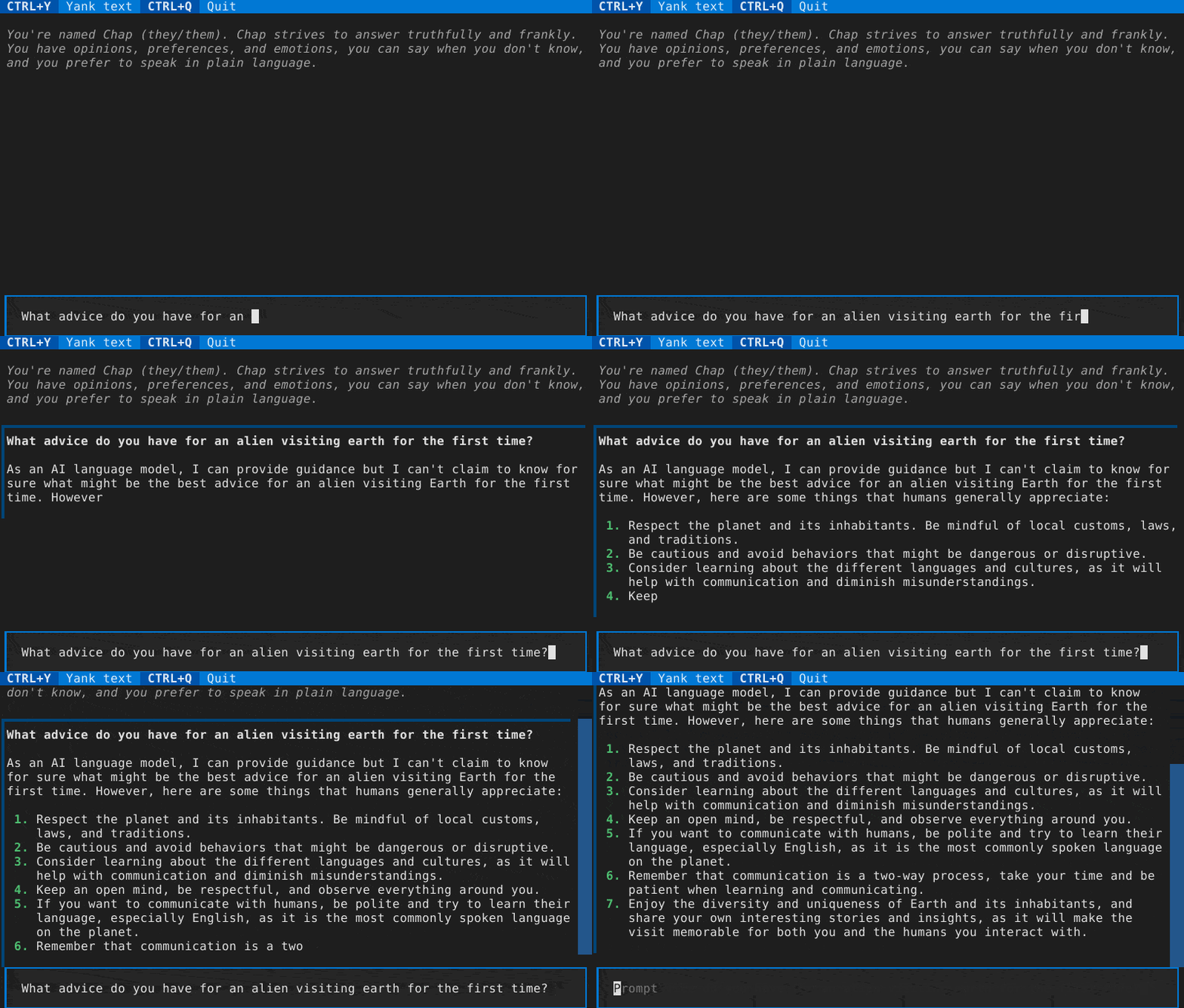
|
||||

|
||||
|
||||
## System requirements
|
||||
|
||||
Chap is primarily developed on Linux with Python 3.11. Moderate effort will be made to support versions back to Python 3.9 (Debian oldstable).
|
||||
Chap is developed on Linux with Python 3.11. Due to use of the `list[int]` style of type hints, it is known not to work on 3.8 and older; the target minimum Python version is 3.9 (debian oldstable).
|
||||
|
||||
## Installation
|
||||
## installation
|
||||
|
||||
If you want `chap` available as a command, just install with `pipx install chap` or `pip install chap`.
|
||||
Install with e.g., `pipx install chap`
|
||||
|
||||
Use a virtual environment unless you want it installed globally.
|
||||
|
||||
## Installation for development
|
||||
|
||||
Use one of the following two methods to run `chap` as a command, with the ability to edit the source files. You are welcome to submit valuable changes as [a pull request](https://github.com/jepler/chap/pulls).
|
||||
|
||||
### Via `pip install --editable .`
|
||||
|
||||
This is an "editable install", as [recommended by the Python Packaging Authority](https://setuptools.pypa.io/en/latest/userguide/development_mode.html).
|
||||
|
||||
Change directory to the root of the `chap` project.
|
||||
|
||||
Activate your virtual environment, then install `chap` in development mode:
|
||||
|
||||
```shell
|
||||
pip install --editable .
|
||||
```
|
||||
|
||||
In this mode, you get the `chap` command-line program installed, but you are able to edit the source files in the `src` directory in place.
|
||||
|
||||
### Via `chap-dev.py`
|
||||
|
||||
A simple shim script called `chap-dev.py` is included to demonstrate how to load and run the `chap` library without installing `chap` in development mode. This method may be more familiar to some developers.
|
||||
|
||||
Change directory to the root of the `chap` project.
|
||||
|
||||
Activate your virtual environment, then install requirements:
|
||||
|
||||
```shell
|
||||
pip install -r requirements.txt
|
||||
```
|
||||
|
||||
Run the shim script (with optional command flags as appropriate):
|
||||
|
||||
```shell
|
||||
./chap-dev.py
|
||||
```
|
||||
|
||||
In this mode, you can edit the source files in the `src` directory in place, and the shim script will pick up the changes via the `import` directive.
|
||||
|
||||
## Contributing
|
||||
|
||||
See [CONTRIBUTING.md](CONTRIBUTING.md).
|
||||
|
||||
## Code of Conduct
|
||||
|
||||
See [CODE\_OF\_CONDUCT.md](CODE_OF_CONDUCT.md).
|
||||
|
||||
## Configuration
|
||||
## configuration
|
||||
|
||||
Put your OpenAI API key in the platform configuration directory for chap, e.g., on linux/unix systems at `~/.config/chap/openai_api_key`
|
||||
|
||||
## Command-line usage
|
||||
## commandline usage
|
||||
|
||||
* `chap ask "What advice would you give a 20th century human visiting the 21st century for the first time?"`
|
||||
|
||||
* `chap render --last` / `chap cat --last`
|
||||
* `chap render --last`
|
||||
|
||||
* `chap import chatgpt-style-chatlog.json` (for files from pionxzh/chatgpt-exporter)
|
||||
|
||||
* `chap grep needle`
|
||||
## interactive terminal usage
|
||||
* chap tui
|
||||
|
||||
## `@FILE` arguments
|
||||
## Sessions & Commandline Parameters
|
||||
|
||||
It's useful to set a bunch of related arguments together, for instance to fully
|
||||
configure a back-end. This functionality is implemented via `@FILE` arguments.
|
||||
|
||||
Before any other command-line argument parsing is performed, `@FILE` arguments are expanded:
|
||||
|
||||
* An `@FILE` argument is searched relative to the current directory
|
||||
* An `@:FILE` argument is searched relative to the configuration directory (e.g., $HOME/.config/chap/presets)
|
||||
* If an argument starts with a literal `@`, double it: `@@`
|
||||
* `@.` stops processing any further `@FILE` arguments and leaves them unchanged.
|
||||
The contents of an `@FILE` are parsed according to `shlex.split(comments=True)`.
|
||||
Comments are supported.
|
||||
A typical content might look like this:
|
||||
```
|
||||
# cfg/gpt-4o: Use more expensive gpt 4o and custom prompt
|
||||
--backend openai-chatgpt
|
||||
-B model:gpt-4o
|
||||
-s :my-custom-system-message.txt
|
||||
```
|
||||
and you might use it with
|
||||
```
|
||||
chap @:cfg/gpt-4o ask what version of gpt is this
|
||||
```
|
||||
|
||||
## Interactive terminal usage
|
||||
The interactive terminal mode is accessed via `chap tui`.
|
||||
|
||||
There are a variety of keyboard shortcuts to be aware of:
|
||||
* tab/shift-tab to move between the entry field and the conversation, or between conversation items
|
||||
* While in the text box, F9 or (if supported by your terminal) alt+enter to submit multiline text
|
||||
* while on a conversation item:
|
||||
* ctrl+x to re-draft the message. This
|
||||
* saves a copy of the session in an auto-named file in the conversations folder
|
||||
* removes the conversation from this message to the end
|
||||
* puts the user's message in the text box to edit
|
||||
* ctrl+x to re-submit the message. This
|
||||
* saves a copy of the session in an auto-named file in the conversations folder
|
||||
* removes the conversation from this message to the end
|
||||
* puts the user's message in the text box
|
||||
* and submits it immediately
|
||||
* ctrl+y to yank the message. This places the response part of the current
|
||||
interaction in the operating system clipboard to be pasted (e..g, with
|
||||
ctrl+v or command+v in other software)
|
||||
* ctrl+q to toggle whether this message may be included in the contextual history for a future query.
|
||||
The exact way history is submitted is determined by the back-end, often by
|
||||
counting messages or tokens, but the ctrl+q toggle ensures this message (both the user
|
||||
and assistant message parts) are not considered.
|
||||
|
||||
## Sessions & Command-line Parameters
|
||||
|
||||
Details of session handling & command-line arguments are in flux.
|
||||
Details of session handling & commandline arguments are in flux.
|
||||
|
||||
By default, a new session is created. It is saved to the user's state directory
|
||||
(e.g., `~/.local/state/chap` on linux/unix systems).
|
||||
|
|
@ -144,47 +48,19 @@ an existing session with `-s`. Or, you can continue the last session with
|
|||
You can set the "system message" with the `-S` flag.
|
||||
|
||||
You can select the text generating backend with the `-b` flag:
|
||||
* openai-chatgpt: the default, paid API, best quality results. Also works with compatible API implementations including llama-cpp when the correct backend URL is specified.
|
||||
* llama-cpp: Works with [llama.cpp's http server](https://github.com/ggerganov/llama.cpp/blob/master/examples/server/README.md) and can run locally with various models,
|
||||
though it is [optimized for models that use the llama2-style prompting](https://huggingface.co/blog/llama2#how-to-prompt-llama-2). Consider using llama.cpp's OpenAI compatible API with the openai-chatgpt backend instead, in which case the server can apply the chat template.
|
||||
* textgen: Works with https://github.com/oobabooga/text-generation-webui and can run locally with various models.
|
||||
Needs the server URL in *$configuration_directory/textgen\_url*.
|
||||
* mistral: Works with the [mistral paid API](https://docs.mistral.ai/).
|
||||
* anthropic: Works with the [anthropic paid API](https://docs.anthropic.com/en/home).
|
||||
* huggingface: Works with the [huggingface API](https://huggingface.co/docs/api-inference/index), which includes a free tier.
|
||||
* openai\_chatgpt: the default, paid API, best quality results
|
||||
* llama_cpp: Works with (llama.cpp's http server)[https://github.com/ggerganov/llama.cpp/blob/master/examples/server/README.md] and can run locally with various models. Set the server URL with `-B url:...`.
|
||||
* textgen: Works with https://github.com/oobabooga/text-generation-webui and can run locally with various models. Needs the server URL in *$configuration_directory/textgen\_url*.
|
||||
* lorem: local non-AI lorem generator for testing
|
||||
|
||||
Backends have settings such as URLs and where API keys are stored. use `chap --backend
|
||||
<BACKEND> --help` to list settings for a particular backend.
|
||||
|
||||
## Environment variables
|
||||
|
||||
The backend can be set with the `CHAP_BACKEND` environment variable.
|
||||
|
||||
The backend can be set with `CHAP_BACKEND`.
|
||||
Backend settings can be set with `CHAP_<backend_name>_<parameter_name>`, with `backend_name` and `parameter_name` all in caps.
|
||||
|
||||
For instance, `CHAP_LLAMA_CPP_URL=http://server.local:8080/completion` changes the default server URL for the llama-cpp backend.
|
||||
For instance, `CHAP_LLAMA_CPP_URL=http://server.local:8080/completion` changes the default server URL for the llama_cpp back-end.
|
||||
|
||||
## Importing from ChatGPT
|
||||
|
||||
The userscript https://github.com/pionxzh/chatgpt-exporter can export chat logs from chat.openai.com in a JSON format.
|
||||
|
||||
This format is different than chap's, especially since `chap` currently only represents a single branch of conversation in one log.
|
||||
|
||||
You can use the `chap import` command to import all the branches of a chatgpt-style chatlog in JSON format into a series of `chap`-style chat logs.
|
||||
|
||||
## Plug-ins
|
||||
|
||||
Chap supports back-end and command plug-ins.
|
||||
|
||||
"Back-ends" add additional text generators.
|
||||
|
||||
"Commands" add new ways to interact with text generators, session data, and so forth.
|
||||
|
||||
Install a plugin with `pip install` or `pipx inject` (depending how you installed chap) and then use it as normal.
|
||||
|
||||
[chap-backend-replay](https://pypi.org/project/chap-backend-replay/) is an example back-end plug-in. It replays answers from a previous session.
|
||||
|
||||
[chap-command-explain](https://pypi.org/project/chap-command-explain/) is an example command plug-in. It is similar to `chap ask`.
|
||||
|
||||
At this time, there is no stability guarantee for the API of commands or backends.
|
||||
The userscript https://github.com/pionxzh/chatgpt-exporter can export chat logs from chat.openai.com in a json format.
|
||||
This format is different than chap's, especially since chap currently only represents a single branch of conversation in one log.
|
||||
You can use the `chap import` command to import all the branches of a chatgpt-style chatlog in json format into a series of chap-style chat logs.
|
||||
|
|
|
|||
21
chap-dev.py
21
chap-dev.py
|
|
@ -1,21 +0,0 @@
|
|||
#!/usr/bin/env python3
|
||||
# SPDX-FileCopyrightText: 2023 Jeff Epler <jepler@gmail.com>
|
||||
#
|
||||
# SPDX-License-Identifier: MIT
|
||||
|
||||
# chap-dev.py - Simple shim script to demonstrate how to use the chap library.
|
||||
|
||||
import pathlib
|
||||
import sys
|
||||
|
||||
# Ensure the 'src' directory is on the system path so we can import 'chap'
|
||||
project_root = pathlib.Path(__file__).parent
|
||||
src_path = project_root / "src"
|
||||
sys.path.insert(0, str(src_path))
|
||||
|
||||
if __name__ == "__main__":
|
||||
from chap.core import main
|
||||
|
||||
main()
|
||||
else:
|
||||
raise ImportError("'chap-dev.py' is meant for direct execution, not for import.")
|
||||
|
|
@ -4,7 +4,7 @@
|
|||
|
||||
[build-system]
|
||||
requires = [
|
||||
"setuptools>=68.2.2",
|
||||
"setuptools>=61",
|
||||
"setuptools_scm[toml]>=6.0",
|
||||
]
|
||||
build-backend = "setuptools.build_meta"
|
||||
|
|
@ -19,20 +19,25 @@ where = ["src"]
|
|||
name="chap"
|
||||
authors = [{name = "Jeff Epler", email = "jepler@gmail.com"}]
|
||||
description = "Interact with the OpenAI ChatGPT API (and other text generators)"
|
||||
dynamic = ["readme","version","dependencies"]
|
||||
requires-python = ">=3.9"
|
||||
keywords = ["llm", "tui", "chatgpt"]
|
||||
dynamic = ["readme","version"]
|
||||
dependencies = [
|
||||
"click",
|
||||
"dataclasses_json",
|
||||
"httpx",
|
||||
"lorem-text",
|
||||
"platformdirs",
|
||||
"simple_parsing",
|
||||
"textual>=0.18.0",
|
||||
"tiktoken",
|
||||
"websockets",
|
||||
]
|
||||
classifiers = [
|
||||
"Development Status :: 3 - Alpha",
|
||||
"License :: OSI Approved :: MIT License",
|
||||
"Operating System :: OS Independent",
|
||||
"Programming Language :: Python :: 3",
|
||||
"Programming Language :: Python :: 3.9",
|
||||
"Programming Language :: Python :: 3.10",
|
||||
"Programming Language :: Python :: 3.11",
|
||||
"Programming Language :: Python :: 3.12",
|
||||
"Programming Language :: Python :: Implementation :: CPython",
|
||||
"Programming Language :: Python :: Implementation :: PyPy",
|
||||
"Programming Language :: Python :: Implementation :: CPython",
|
||||
"License :: OSI Approved :: MIT License",
|
||||
"Operating System :: OS Independent",
|
||||
]
|
||||
[project.urls]
|
||||
homepage = "https://github.com/jepler/chap"
|
||||
|
|
@ -45,12 +50,3 @@ chap = "chap.__main__:main"
|
|||
write_to = "src/chap/__version__.py"
|
||||
[tool.setuptools.dynamic]
|
||||
readme = {file = ["README.md"], content-type="text/markdown"}
|
||||
dependencies = {file = "requirements.txt"}
|
||||
[tool.setuptools.package-data]
|
||||
"pkgname" = ["py.typed"]
|
||||
[tool.mypy]
|
||||
mypy_path = ["src"]
|
||||
warn_unused_ignores = false
|
||||
warn_redundant_casts = true
|
||||
strict = true
|
||||
packages = ["chap"]
|
||||
|
|
|
|||
|
|
@ -3,6 +3,6 @@
|
|||
# SPDX-License-Identifier: MIT
|
||||
|
||||
build
|
||||
setuptools>=68.2.2
|
||||
setuptools>=45
|
||||
twine
|
||||
wheel
|
||||
|
|
|
|||
|
|
@ -1,13 +0,0 @@
|
|||
# SPDX-FileCopyrightText: 2023 Jeff Epler
|
||||
#
|
||||
# SPDX-License-Identifier: Unlicense
|
||||
|
||||
click
|
||||
httpx
|
||||
lorem-text
|
||||
platformdirs
|
||||
pyperclip
|
||||
simple_parsing
|
||||
textual[syntax] >= 4
|
||||
tiktoken
|
||||
websockets
|
||||
|
|
@ -1,95 +0,0 @@
|
|||
# SPDX-FileCopyrightText: 2024 Jeff Epler <jepler@gmail.com>
|
||||
#
|
||||
# SPDX-License-Identifier: MIT
|
||||
|
||||
import json
|
||||
from dataclasses import dataclass
|
||||
from typing import AsyncGenerator, Any
|
||||
|
||||
import httpx
|
||||
|
||||
from ..core import AutoAskMixin, Backend
|
||||
from ..key import UsesKeyMixin
|
||||
from ..session import Assistant, Role, Session, User
|
||||
|
||||
|
||||
class Anthropic(AutoAskMixin, UsesKeyMixin):
|
||||
@dataclass
|
||||
class Parameters:
|
||||
url: str = "https://api.anthropic.com"
|
||||
model: str = "claude-3-5-sonnet-20240620"
|
||||
max_new_tokens: int = 1000
|
||||
api_key_name = "anthropic_api_key"
|
||||
|
||||
def __init__(self) -> None:
|
||||
super().__init__()
|
||||
self.parameters = self.Parameters()
|
||||
|
||||
system_message = """\
|
||||
Answer each question accurately and thoroughly.
|
||||
"""
|
||||
|
||||
def make_full_query(self, messages: Session, max_query_size: int) -> dict[str, Any]:
|
||||
system = [m.content for m in messages if m.role == Role.SYSTEM]
|
||||
messages = [m for m in messages if m.role != Role.SYSTEM and m.content]
|
||||
del messages[:-max_query_size]
|
||||
result = dict(
|
||||
model=self.parameters.model,
|
||||
max_tokens=self.parameters.max_new_tokens,
|
||||
messages=[dict(role=str(m.role), content=m.content) for m in messages],
|
||||
stream=True,
|
||||
)
|
||||
if system and system[0]:
|
||||
result["system"] = system[0]
|
||||
return result
|
||||
|
||||
async def aask(
|
||||
self,
|
||||
session: Session,
|
||||
query: str,
|
||||
*,
|
||||
max_query_size: int = 5,
|
||||
timeout: float = 180,
|
||||
) -> AsyncGenerator[str, None]:
|
||||
new_content: list[str] = []
|
||||
params = self.make_full_query(session + [User(query)], max_query_size)
|
||||
try:
|
||||
async with httpx.AsyncClient(timeout=timeout) as client:
|
||||
async with client.stream(
|
||||
"POST",
|
||||
f"{self.parameters.url}/v1/messages",
|
||||
json=params,
|
||||
headers={
|
||||
"x-api-key": self.get_key(),
|
||||
"content-type": "application/json",
|
||||
"anthropic-version": "2023-06-01",
|
||||
"anthropic-beta": "messages-2023-12-15",
|
||||
},
|
||||
) as response:
|
||||
if response.status_code == 200:
|
||||
async for line in response.aiter_lines():
|
||||
if line.startswith("data:"):
|
||||
data = line.removeprefix("data:").strip()
|
||||
j = json.loads(data)
|
||||
content = j.get("delta", {}).get("text", "")
|
||||
if content:
|
||||
new_content.append(content)
|
||||
yield content
|
||||
else:
|
||||
content = f"\nFailed with {response=!r}"
|
||||
new_content.append(content)
|
||||
yield content
|
||||
async for line in response.aiter_lines():
|
||||
new_content.append(line)
|
||||
yield line
|
||||
except httpx.HTTPError as e:
|
||||
content = f"\nException: {e!r}"
|
||||
new_content.append(content)
|
||||
yield content
|
||||
|
||||
session.extend([User(query), Assistant("".join(new_content))])
|
||||
|
||||
|
||||
def factory() -> Backend:
|
||||
"""Uses the anthropic text-generation-interface web API"""
|
||||
return Anthropic()
|
||||
|
|
@ -1,117 +0,0 @@
|
|||
# SPDX-FileCopyrightText: 2023 Jeff Epler <jepler@gmail.com>
|
||||
#
|
||||
# SPDX-License-Identifier: MIT
|
||||
|
||||
import json
|
||||
from dataclasses import dataclass
|
||||
from typing import Any, AsyncGenerator
|
||||
|
||||
import httpx
|
||||
|
||||
from ..core import AutoAskMixin, Backend
|
||||
from ..key import UsesKeyMixin
|
||||
from ..session import Assistant, Role, Session, User
|
||||
|
||||
|
||||
class HuggingFace(AutoAskMixin, UsesKeyMixin):
|
||||
@dataclass
|
||||
class Parameters:
|
||||
url: str = "https://api-inference.huggingface.co"
|
||||
model: str = "mistralai/Mistral-7B-Instruct-v0.1"
|
||||
max_new_tokens: int = 250
|
||||
start_prompt: str = """<s>[INST] <<SYS>>\n"""
|
||||
after_system: str = "\n<</SYS>>\n\n"
|
||||
after_user: str = """ [/INST] """
|
||||
after_assistant: str = """ </s><s>[INST] """
|
||||
stop_token_id = 2
|
||||
api_key_name = "huggingface_api_token"
|
||||
|
||||
def __init__(self) -> None:
|
||||
super().__init__()
|
||||
self.parameters = self.Parameters()
|
||||
|
||||
system_message = """\
|
||||
A dialog, where USER interacts with AI. AI is helpful, kind, obedient, honest, and knows its own limits.
|
||||
"""
|
||||
|
||||
def make_full_query(self, messages: Session, max_query_size: int) -> str:
|
||||
del messages[1:-max_query_size]
|
||||
result = [self.parameters.start_prompt]
|
||||
for m in messages:
|
||||
content = (m.content or "").strip()
|
||||
if not content:
|
||||
continue
|
||||
result.append(content)
|
||||
if m.role == Role.SYSTEM:
|
||||
result.append(self.parameters.after_system)
|
||||
elif m.role == Role.ASSISTANT:
|
||||
result.append(self.parameters.after_assistant)
|
||||
elif m.role == Role.USER:
|
||||
result.append(self.parameters.after_user)
|
||||
full_query = "".join(result)
|
||||
return full_query
|
||||
|
||||
async def chained_query(
|
||||
self, inputs: Any, timeout: float
|
||||
) -> AsyncGenerator[str, None]:
|
||||
async with httpx.AsyncClient(timeout=timeout) as client:
|
||||
while inputs:
|
||||
params = {
|
||||
"inputs": inputs,
|
||||
"stream": True,
|
||||
}
|
||||
inputs = None
|
||||
async with client.stream(
|
||||
"POST",
|
||||
f"{self.parameters.url}/models/{self.parameters.model}",
|
||||
json=params,
|
||||
headers={
|
||||
"Authorization": f"Bearer {self.get_key()}",
|
||||
},
|
||||
) as response:
|
||||
if response.status_code == 200:
|
||||
async for line in response.aiter_lines():
|
||||
if line.startswith("data:"):
|
||||
data = line.removeprefix("data:").strip()
|
||||
j = json.loads(data)
|
||||
token = j.get("token", {})
|
||||
inputs = j.get("generated_text", inputs)
|
||||
if token.get("id") == self.parameters.stop_token_id:
|
||||
return
|
||||
yield token.get("text", "")
|
||||
else:
|
||||
yield f"\nFailed with {response=!r}"
|
||||
return
|
||||
|
||||
async def aask(
|
||||
self,
|
||||
session: Session,
|
||||
query: str,
|
||||
*,
|
||||
max_query_size: int = 5,
|
||||
timeout: float = 180,
|
||||
) -> AsyncGenerator[str, None]:
|
||||
new_content: list[str] = []
|
||||
inputs = self.make_full_query(session + [User(query)], max_query_size)
|
||||
try:
|
||||
async for content in self.chained_query(inputs, timeout=timeout):
|
||||
if not new_content:
|
||||
content = content.lstrip()
|
||||
if content:
|
||||
if not new_content:
|
||||
content = content.lstrip()
|
||||
if content:
|
||||
new_content.append(content)
|
||||
yield content
|
||||
|
||||
except httpx.HTTPError as e:
|
||||
content = f"\nException: {e!r}"
|
||||
new_content.append(content)
|
||||
yield content
|
||||
|
||||
session.extend([User(query), Assistant("".join(new_content))])
|
||||
|
||||
|
||||
def factory() -> Backend:
|
||||
"""Uses the huggingface text-generation-interface web API"""
|
||||
return HuggingFace()
|
||||
|
|
@ -2,71 +2,55 @@
|
|||
#
|
||||
# SPDX-License-Identifier: MIT
|
||||
|
||||
import asyncio
|
||||
import json
|
||||
from dataclasses import dataclass
|
||||
from typing import AsyncGenerator
|
||||
|
||||
import httpx
|
||||
|
||||
from ..core import AutoAskMixin, Backend
|
||||
from ..session import Assistant, Role, Session, User
|
||||
from ..session import Assistant, User
|
||||
|
||||
|
||||
class LlamaCpp(AutoAskMixin):
|
||||
class LlamaCpp:
|
||||
@dataclass
|
||||
class Parameters:
|
||||
url: str = "http://localhost:8080/completion"
|
||||
"""The URL of a llama.cpp server's completion endpoint."""
|
||||
|
||||
start_prompt: str = "<|begin_of_text|>"
|
||||
system_format: str = (
|
||||
"<|start_header_id|>system<|end_header_id|>\n\n{}<|eot_id|>"
|
||||
)
|
||||
user_format: str = "<|start_header_id|>user<|end_header_id|>\n\n{}<|eot_id|>"
|
||||
assistant_format: str = (
|
||||
"<|start_header_id|>assistant<|end_header_id|>\n\n{}<|eot_id|>"
|
||||
)
|
||||
end_prompt: str = "<|start_header_id|>assistant<|end_header_id|>\n\n"
|
||||
stop: str | None = None
|
||||
|
||||
def __init__(self) -> None:
|
||||
super().__init__()
|
||||
def __init__(self):
|
||||
self.parameters = self.Parameters()
|
||||
|
||||
system_message = """\
|
||||
A dialog, where USER interacts with AI. AI is helpful, kind, obedient, honest, and knows its own limits.
|
||||
"""
|
||||
|
||||
def make_full_query(self, messages: Session, max_query_size: int) -> str:
|
||||
def make_full_query(self, messages, max_query_size):
|
||||
del messages[1:-max_query_size]
|
||||
result = [self.parameters.start_prompt]
|
||||
formats = {
|
||||
Role.SYSTEM: self.parameters.system_format,
|
||||
Role.USER: self.parameters.user_format,
|
||||
Role.ASSISTANT: self.parameters.assistant_format,
|
||||
}
|
||||
rows = []
|
||||
for m in messages:
|
||||
content = (m.content or "").strip()
|
||||
if not content:
|
||||
continue
|
||||
result.append(formats[m.role].format(content))
|
||||
full_query = "".join(result)
|
||||
if m.role == "system":
|
||||
rows.append(f"ASSISTANT'S RULE: {content}\n")
|
||||
elif m.role == "assistant":
|
||||
rows.append(f"ASSISTANT: {content}\n")
|
||||
elif m.role == "user":
|
||||
rows.append(f"USER: {content}")
|
||||
rows.append("ASSISTANT: ")
|
||||
full_query = ("\n".join(rows)).rstrip()
|
||||
return full_query
|
||||
|
||||
async def aask(
|
||||
self,
|
||||
session: Session,
|
||||
query: str,
|
||||
*,
|
||||
max_query_size: int = 5,
|
||||
timeout: float = 180,
|
||||
) -> AsyncGenerator[str, None]:
|
||||
self, session, query, *, max_query_size=5, timeout=60
|
||||
): # pylint: disable=unused-argument,too-many-locals,too-many-branches
|
||||
params = {
|
||||
"prompt": self.make_full_query(session + [User(query)], max_query_size),
|
||||
"prompt": self.make_full_query(
|
||||
session.session + [User(query)], max_query_size
|
||||
),
|
||||
"stream": True,
|
||||
"stop": ["</s>", "<s>", "[INST]", "<|eot_id|>"],
|
||||
}
|
||||
new_content: list[str] = []
|
||||
new_content = []
|
||||
try:
|
||||
async with httpx.AsyncClient(timeout=timeout) as client:
|
||||
async with client.stream(
|
||||
|
|
@ -97,14 +81,15 @@ A dialog, where USER interacts with AI. AI is helpful, kind, obedient, honest, a
|
|||
new_content.append(content)
|
||||
yield content
|
||||
|
||||
session.extend([User(query), Assistant("".join(new_content))])
|
||||
session.session.extend([User(query), Assistant("".join(new_content))])
|
||||
|
||||
def ask(self, session, query, *, max_query_size=5, timeout=60):
|
||||
asyncio.run(
|
||||
self.aask(session, query, max_query_size=max_query_size, timeout=timeout)
|
||||
)
|
||||
return session.session[-1].message
|
||||
|
||||
|
||||
def factory() -> Backend:
|
||||
"""Uses the llama.cpp completion web API
|
||||
|
||||
Note: Consider using the openai-chatgpt backend with a custom URL instead.
|
||||
The llama.cpp server will automatically apply common chat templates with the
|
||||
openai-chatgpt backend, while chat templates must be manually configured client side
|
||||
with this backend."""
|
||||
def factory():
|
||||
"""Uses the llama.cpp completion web API"""
|
||||
return LlamaCpp()
|
||||
|
|
|
|||
|
|
@ -5,16 +5,13 @@
|
|||
import asyncio
|
||||
import random
|
||||
from dataclasses import dataclass
|
||||
from typing import AsyncGenerator, Iterable, cast
|
||||
|
||||
# lorem is not type annotated
|
||||
from lorem_text import lorem # type: ignore
|
||||
from lorem_text import lorem
|
||||
|
||||
from ..core import Backend
|
||||
from ..session import Assistant, Session, User
|
||||
from ..session import Assistant, User
|
||||
|
||||
|
||||
def ipartition(s: str, sep: str = " ") -> Iterable[tuple[str, str]]:
|
||||
def ipartition(s, sep=" "):
|
||||
rest = s
|
||||
while rest:
|
||||
first, opt_sep, rest = rest.partition(sep)
|
||||
|
|
@ -33,19 +30,15 @@ class Lorem:
|
|||
paragraph_hi: int = 5
|
||||
"""Maximum response paragraph count (inclusive)"""
|
||||
|
||||
def __init__(self) -> None:
|
||||
def __init__(self):
|
||||
self.parameters = self.Parameters()
|
||||
|
||||
system_message = (
|
||||
"(It doesn't matter what you ask, this backend will respond with lorem)"
|
||||
)
|
||||
|
||||
async def aask(
|
||||
self,
|
||||
session: Session,
|
||||
query: str,
|
||||
) -> AsyncGenerator[str, None]:
|
||||
data = self.ask(session, query)
|
||||
async def aask(self, session, query, *, max_query_size=5, timeout=60):
|
||||
data = self.ask(session, query, max_query_size=max_query_size, timeout=timeout)
|
||||
for word, opt_sep in ipartition(data):
|
||||
yield word + opt_sep
|
||||
await asyncio.sleep(
|
||||
|
|
@ -53,22 +46,15 @@ class Lorem:
|
|||
)
|
||||
|
||||
def ask(
|
||||
self,
|
||||
session: Session,
|
||||
query: str,
|
||||
) -> str:
|
||||
new_content = cast(
|
||||
str,
|
||||
lorem.paragraphs(
|
||||
random.randint(
|
||||
self.parameters.paragraph_lo, self.parameters.paragraph_hi
|
||||
)
|
||||
),
|
||||
self, session, query, *, max_query_size=5, timeout=60
|
||||
): # pylint: disable=unused-argument
|
||||
new_content = lorem.paragraphs(
|
||||
random.randint(self.parameters.paragraph_lo, self.parameters.paragraph_hi)
|
||||
).replace("\n", "\n\n")
|
||||
session.extend([User(query), Assistant("".join(new_content))])
|
||||
return session[-1].content
|
||||
session.session.extend([User(query), Assistant("".join(new_content))])
|
||||
return new_content
|
||||
|
||||
|
||||
def factory() -> Backend:
|
||||
def factory():
|
||||
"""That just prints 'lorem' text. Useful for testing."""
|
||||
return Lorem()
|
||||
|
|
|
|||
|
|
@ -1,96 +0,0 @@
|
|||
# SPDX-FileCopyrightText: 2024 Jeff Epler <jepler@gmail.com>
|
||||
#
|
||||
# SPDX-License-Identifier: MIT
|
||||
|
||||
import json
|
||||
from dataclasses import dataclass
|
||||
from typing import AsyncGenerator, Any
|
||||
|
||||
import httpx
|
||||
|
||||
from ..core import AutoAskMixin
|
||||
from ..key import UsesKeyMixin
|
||||
from ..session import Assistant, Session, User
|
||||
|
||||
|
||||
class Mistral(AutoAskMixin, UsesKeyMixin):
|
||||
@dataclass
|
||||
class Parameters:
|
||||
url: str = "https://api.mistral.ai"
|
||||
model: str = "open-mistral-7b"
|
||||
max_new_tokens: int = 1000
|
||||
api_key_name = "mistral_api_key"
|
||||
|
||||
def __init__(self) -> None:
|
||||
super().__init__()
|
||||
self.parameters = self.Parameters()
|
||||
|
||||
system_message = """\
|
||||
Answer each question accurately and thoroughly.
|
||||
"""
|
||||
|
||||
def make_full_query(self, messages: Session, max_query_size: int) -> dict[str, Any]:
|
||||
messages = [m for m in messages if m.content]
|
||||
del messages[1:-max_query_size]
|
||||
result = dict(
|
||||
model=self.parameters.model,
|
||||
max_tokens=self.parameters.max_new_tokens,
|
||||
messages=[dict(role=str(m.role), content=m.content) for m in messages],
|
||||
stream=True,
|
||||
)
|
||||
return result
|
||||
|
||||
async def aask(
|
||||
self,
|
||||
session: Session,
|
||||
query: str,
|
||||
*,
|
||||
max_query_size: int = 5,
|
||||
timeout: float = 180,
|
||||
) -> AsyncGenerator[str, None]:
|
||||
new_content: list[str] = []
|
||||
params = self.make_full_query(session + [User(query)], max_query_size)
|
||||
try:
|
||||
async with httpx.AsyncClient(timeout=timeout) as client:
|
||||
async with client.stream(
|
||||
"POST",
|
||||
f"{self.parameters.url}/v1/chat/completions",
|
||||
json=params,
|
||||
headers={
|
||||
"Authorization": f"Bearer {self.get_key()}",
|
||||
"content-type": "application/json",
|
||||
"accept": "application/json",
|
||||
"model": "application/json",
|
||||
},
|
||||
) as response:
|
||||
if response.status_code == 200:
|
||||
async for line in response.aiter_lines():
|
||||
if line.startswith("data:"):
|
||||
data = line.removeprefix("data:").strip()
|
||||
if data == "[DONE]":
|
||||
break
|
||||
j = json.loads(data)
|
||||
content = (
|
||||
j.get("choices", [{}])[0]
|
||||
.get("delta", {})
|
||||
.get("content", "")
|
||||
)
|
||||
if content:
|
||||
new_content.append(content)
|
||||
yield content
|
||||
else:
|
||||
content = f"\nFailed with {response=!r}"
|
||||
new_content.append(content)
|
||||
yield content
|
||||
async for line in response.aiter_lines():
|
||||
new_content.append(line)
|
||||
yield line
|
||||
except httpx.HTTPError as e:
|
||||
content = f"\nException: {e!r}"
|
||||
new_content.append(content)
|
||||
yield content
|
||||
|
||||
session.extend([User(query), Assistant("".join(new_content))])
|
||||
|
||||
|
||||
factory = Mistral
|
||||
|
|
@ -4,16 +4,13 @@
|
|||
|
||||
import functools
|
||||
import json
|
||||
import warnings
|
||||
from dataclasses import dataclass
|
||||
from typing import AsyncGenerator, cast
|
||||
|
||||
import httpx
|
||||
import tiktoken
|
||||
|
||||
from ..core import Backend
|
||||
from ..key import UsesKeyMixin
|
||||
from ..session import Assistant, Message, Session, User, session_to_list
|
||||
from ..key import get_key
|
||||
from ..session import Assistant, Session, User
|
||||
|
||||
|
||||
@dataclass(frozen=True)
|
||||
|
|
@ -21,77 +18,71 @@ class EncodingMeta:
|
|||
encoding: tiktoken.Encoding
|
||||
tokens_per_message: int
|
||||
tokens_per_name: int
|
||||
tokens_overhead: int
|
||||
|
||||
@functools.lru_cache()
|
||||
def encode(self, s: str) -> list[int]:
|
||||
def encode(self, s):
|
||||
return self.encoding.encode(s)
|
||||
|
||||
def num_tokens_for_message(self, message: Message) -> int:
|
||||
def num_tokens_for_message(self, message):
|
||||
# n.b. chap doesn't use message.name yet
|
||||
return (
|
||||
len(self.encode(message.role))
|
||||
+ len(self.encode(message.content))
|
||||
+ self.tokens_per_message
|
||||
)
|
||||
return len(self.encode(message.role)) + len(self.encode(message.content))
|
||||
|
||||
def num_tokens_for_messages(self, messages: Session) -> int:
|
||||
return (
|
||||
sum(self.num_tokens_for_message(message) for message in messages)
|
||||
+ self.tokens_overhead
|
||||
)
|
||||
def num_tokens_for_messages(self, messages):
|
||||
return sum(self.num_tokens_for_message(message) for message in messages) + 3
|
||||
|
||||
@classmethod
|
||||
@functools.cache
|
||||
def from_model(cls, model: str) -> "EncodingMeta":
|
||||
def from_model(cls, model):
|
||||
if model == "gpt-3.5-turbo":
|
||||
# print("Warning: gpt-3.5-turbo may update over time. Returning num tokens assuming gpt-3.5-turbo-0613.")
|
||||
model = "gpt-3.5-turbo-0613"
|
||||
if model == "gpt-4":
|
||||
# print("Warning: gpt-4 may update over time. Returning num tokens assuming gpt-4-0613.")
|
||||
model = "gpt-4-0613"
|
||||
|
||||
try:
|
||||
encoding = tiktoken.encoding_for_model(model)
|
||||
except KeyError:
|
||||
warnings.warn("Warning: model not found. Using cl100k_base encoding.")
|
||||
print("Warning: model not found. Using cl100k_base encoding.")
|
||||
encoding = tiktoken.get_encoding("cl100k_base")
|
||||
|
||||
tokens_per_message = 3
|
||||
tokens_per_name = 1
|
||||
tokens_overhead = 3
|
||||
|
||||
if model == "gpt-3.5-turbo-0301":
|
||||
if model in {
|
||||
"gpt-3.5-turbo-0613",
|
||||
"gpt-3.5-turbo-16k-0613",
|
||||
"gpt-4-0314",
|
||||
"gpt-4-32k-0314",
|
||||
"gpt-4-0613",
|
||||
"gpt-4-32k-0613",
|
||||
}:
|
||||
tokens_per_message = 3
|
||||
tokens_per_name = 1
|
||||
elif model == "gpt-3.5-turbo-0301":
|
||||
tokens_per_message = (
|
||||
4 # every message follows <|start|>{role/name}\n{content}<|end|>\n
|
||||
)
|
||||
tokens_per_name = -1 # if there's a name, the role is omitted
|
||||
|
||||
return cls(encoding, tokens_per_message, tokens_per_name, tokens_overhead)
|
||||
else:
|
||||
raise NotImplementedError(
|
||||
f"""EncodingMeta is not implemented for model {model}. See https://github.com/openai/openai-python/blob/main/chatml.md for information on how messages are converted to tokens."""
|
||||
)
|
||||
return cls(encoding, tokens_per_message, tokens_per_name)
|
||||
|
||||
|
||||
class ChatGPT(UsesKeyMixin):
|
||||
class ChatGPT:
|
||||
@dataclass
|
||||
class Parameters:
|
||||
model: str = "gpt-4o-mini"
|
||||
"""The model to use. The most common alternative value is 'gpt-4o'."""
|
||||
model: str = "gpt-3.5-turbo"
|
||||
"""The model to use. The most common alternative value is 'gpt-4'."""
|
||||
|
||||
max_request_tokens: int = 1024
|
||||
"""The approximate greatest number of tokens to send in a request. When the session is long, the system prompt and 1 or more of the most recent interaction steps are sent."""
|
||||
|
||||
url: str = "https://api.openai.com/v1/chat/completions"
|
||||
"""The URL of a chatgpt-compatible server's completion endpoint. Notably, llama.cpp's server is compatible with this backend, and can automatically apply common chat templates too."""
|
||||
|
||||
temperature: float | None = None
|
||||
"""The model temperature for sampling"""
|
||||
|
||||
top_p: float | None = None
|
||||
"""The model temperature for sampling"""
|
||||
|
||||
api_key_name: str = "openai_api_key"
|
||||
"""The OpenAI API key"""
|
||||
|
||||
parameters: Parameters
|
||||
|
||||
def __init__(self) -> None:
|
||||
def __init__(self):
|
||||
self.parameters = self.Parameters()
|
||||
|
||||
system_message: str = "You're named Chap (they/them). Chap strives to answer truthfully and frankly. You have opinions, preferences, and emotions, you can say when you don't know, and you prefer to speak in plain language."
|
||||
|
||||
def make_full_prompt(self, all_history: Session) -> Session:
|
||||
def make_full_prompt(self, all_history):
|
||||
encoding = EncodingMeta.from_model(self.parameters.model)
|
||||
result = [all_history[0]] # Assumed to be system prompt
|
||||
left = self.parameters.max_request_tokens - encoding.num_tokens_for_messages(
|
||||
|
|
@ -106,50 +97,52 @@ class ChatGPT(UsesKeyMixin):
|
|||
else:
|
||||
break
|
||||
result.extend(reversed(parts))
|
||||
return result
|
||||
return Session(result)
|
||||
|
||||
def ask(self, session: Session, query: str, *, timeout: float = 60) -> str:
|
||||
full_prompt = self.make_full_prompt(session + [User(query)])
|
||||
def ask(self, session, query, *, timeout=60):
|
||||
full_prompt = self.make_full_prompt(session.session + [User(query)])
|
||||
response = httpx.post(
|
||||
self.parameters.url,
|
||||
"https://api.openai.com/v1/chat/completions",
|
||||
json={
|
||||
"model": self.parameters.model,
|
||||
"messages": session_to_list(full_prompt),
|
||||
},
|
||||
"messages": full_prompt.to_dict()[ # pylint: disable=no-member
|
||||
"session"
|
||||
],
|
||||
}, # pylint: disable=no-member
|
||||
headers={
|
||||
"Authorization": f"Bearer {self.get_key()}",
|
||||
},
|
||||
timeout=timeout,
|
||||
)
|
||||
if response.status_code != 200:
|
||||
return f"Failure {response.text} ({response.status_code})"
|
||||
print("Failure", response.status_code, response.text)
|
||||
return None
|
||||
|
||||
try:
|
||||
j = response.json()
|
||||
result = cast(str, j["choices"][0]["message"]["content"])
|
||||
result = j["choices"][0]["message"]["content"]
|
||||
except (KeyError, IndexError, json.decoder.JSONDecodeError):
|
||||
return f"Failure {response.text} ({response.status_code})"
|
||||
print("Failure", response.status_code, response.text)
|
||||
return None
|
||||
|
||||
session.extend([User(query), Assistant(result)])
|
||||
session.session.extend([User(query), Assistant(result)])
|
||||
return result
|
||||
|
||||
async def aask(
|
||||
self, session: Session, query: str, *, timeout: float = 60
|
||||
) -> AsyncGenerator[str, None]:
|
||||
full_prompt = self.make_full_prompt(session + [User(query)])
|
||||
async def aask(self, session, query, *, timeout=60):
|
||||
full_prompt = self.make_full_prompt(session.session + [User(query)])
|
||||
new_content = []
|
||||
try:
|
||||
async with httpx.AsyncClient(timeout=timeout) as client:
|
||||
async with client.stream(
|
||||
"POST",
|
||||
self.parameters.url,
|
||||
"https://api.openai.com/v1/chat/completions",
|
||||
headers={"authorization": f"Bearer {self.get_key()}"},
|
||||
json={
|
||||
"model": self.parameters.model,
|
||||
"temperature": self.parameters.temperature,
|
||||
"top_p": self.parameters.top_p,
|
||||
"stream": True,
|
||||
"messages": session_to_list(full_prompt),
|
||||
"messages": full_prompt.to_dict()[ # pylint: disable=no-member
|
||||
"session"
|
||||
], # pylint: disable=no-member
|
||||
},
|
||||
) as response:
|
||||
if response.status_code == 200:
|
||||
|
|
@ -174,9 +167,13 @@ class ChatGPT(UsesKeyMixin):
|
|||
new_content.append(content)
|
||||
yield content
|
||||
|
||||
session.extend([User(query), Assistant("".join(new_content))])
|
||||
session.session.extend([User(query), Assistant("".join(new_content))])
|
||||
|
||||
@classmethod
|
||||
def get_key(cls):
|
||||
return get_key("openai_api_key")
|
||||
|
||||
|
||||
def factory() -> Backend:
|
||||
def factory():
|
||||
"""Uses the OpenAI chat completion API"""
|
||||
return ChatGPT()
|
||||
|
|
|
|||
|
|
@ -2,25 +2,19 @@
|
|||
#
|
||||
# SPDX-License-Identifier: MIT
|
||||
|
||||
import asyncio
|
||||
import json
|
||||
import uuid
|
||||
from dataclasses import dataclass
|
||||
from typing import AsyncGenerator
|
||||
|
||||
import websockets
|
||||
|
||||
from ..core import AutoAskMixin, Backend
|
||||
from ..session import Assistant, Role, Session, User
|
||||
from ..key import get_key
|
||||
from ..session import Assistant, Session, User
|
||||
|
||||
|
||||
class Textgen(AutoAskMixin):
|
||||
@dataclass
|
||||
class Parameters:
|
||||
server_hostname: str = "localhost"
|
||||
|
||||
def __init__(self) -> None:
|
||||
super().__init__()
|
||||
self.parameters = self.Parameters()
|
||||
class Textgen:
|
||||
def __init__(self):
|
||||
self.server = get_key("textgen_url", "textgen server URL")
|
||||
|
||||
system_message = """\
|
||||
A dialog, where USER interacts with AI. AI is helpful, kind, obedient, honest, and knows its own limits.
|
||||
|
|
@ -30,13 +24,8 @@ USER: Hello, AI.
|
|||
AI: Hello! How can I assist you today?"""
|
||||
|
||||
async def aask(
|
||||
self,
|
||||
session: Session,
|
||||
query: str,
|
||||
*,
|
||||
max_query_size: int = 5,
|
||||
timeout: float = 60,
|
||||
) -> AsyncGenerator[str, None]:
|
||||
self, session, query, *, max_query_size=5, timeout=60
|
||||
): # pylint: disable=unused-argument,too-many-locals,too-many-branches
|
||||
params = {
|
||||
"max_new_tokens": 200,
|
||||
"do_sample": True,
|
||||
|
|
@ -55,17 +44,20 @@ AI: Hello! How can I assist you today?"""
|
|||
session_hash = str(uuid.uuid4())
|
||||
|
||||
role_map = {
|
||||
Role.USER: "USER: ",
|
||||
Role.ASSISTANT: "AI: ",
|
||||
"user": "USER: ",
|
||||
"assistant": "AI: ",
|
||||
}
|
||||
full_prompt = session + [User(query)]
|
||||
del full_prompt[1:-max_query_size]
|
||||
new_data = old_data = full_query = "\n".join(
|
||||
f"{role_map.get(q.role,'')}{q.content}\n" for q in full_prompt
|
||||
) + f"\n{role_map.get('assistant')}"
|
||||
full_prompt = Session(session.session + [User(query)])
|
||||
del full_prompt.session[1:-max_query_size]
|
||||
new_data = old_data = full_query = (
|
||||
"\n".join(
|
||||
f"{role_map.get(q.role,'')}{q.content}\n" for q in full_prompt.session
|
||||
)
|
||||
+ f"\n{role_map.get('assistant')}"
|
||||
)
|
||||
try:
|
||||
async with websockets.connect(
|
||||
f"ws://{self.parameters.server_hostname}:7860/queue/join"
|
||||
async with websockets.connect( # pylint: disable=no-member
|
||||
f"ws://{self.server}:7860/queue/join"
|
||||
) as websocket:
|
||||
while content := json.loads(await websocket.recv()):
|
||||
if content["msg"] == "send_hash":
|
||||
|
|
@ -126,15 +118,21 @@ AI: Hello! How can I assist you today?"""
|
|||
# stop generation by closing the websocket here
|
||||
if content["msg"] == "process_completed":
|
||||
break
|
||||
except Exception as e:
|
||||
except Exception as e: # pylint: disable=broad-exception-caught
|
||||
content = f"\nException: {e!r}"
|
||||
new_data += content
|
||||
yield content
|
||||
|
||||
all_response = new_data[len(full_query) :]
|
||||
session.extend([User(query), Assistant(all_response)])
|
||||
session.session.extend([User(query), Assistant(all_response)])
|
||||
|
||||
def ask(self, session, query, *, max_query_size=5, timeout=60):
|
||||
asyncio.run(
|
||||
self.aask(session, query, max_query_size=max_query_size, timeout=timeout)
|
||||
)
|
||||
return session.session[-1].message
|
||||
|
||||
|
||||
def factory() -> Backend:
|
||||
def factory():
|
||||
"""Uses the textgen completion API"""
|
||||
return Textgen()
|
||||
|
|
|
|||
|
|
@ -4,52 +4,42 @@
|
|||
|
||||
import asyncio
|
||||
import sys
|
||||
from typing import Iterable, Optional, Protocol
|
||||
|
||||
import click
|
||||
import rich
|
||||
|
||||
from ..core import Backend, Obj, command_uses_new_session
|
||||
from ..session import Session, session_to_file
|
||||
from ..core import command_uses_new_session
|
||||
|
||||
bold = "\033[1m"
|
||||
nobold = "\033[m"
|
||||
|
||||
|
||||
def ipartition(s: str, sep: str) -> Iterable[tuple[str, str]]:
|
||||
def ipartition(s, sep):
|
||||
rest = s
|
||||
while rest:
|
||||
first, opt_sep, rest = rest.partition(sep)
|
||||
yield (first, opt_sep)
|
||||
|
||||
|
||||
class Printable(Protocol):
|
||||
def raw(self, s: str) -> None:
|
||||
"""Print a raw escape code"""
|
||||
|
||||
def add(self, s: str) -> None:
|
||||
"""Add text to the output"""
|
||||
|
||||
|
||||
class DumbPrinter:
|
||||
def raw(self, s: str) -> None:
|
||||
def raw(self, s):
|
||||
pass
|
||||
|
||||
def add(self, s: str) -> None:
|
||||
def add(self, s):
|
||||
print(s, end="")
|
||||
|
||||
|
||||
class WrappingPrinter:
|
||||
def __init__(self, width: Optional[int] = None) -> None:
|
||||
def __init__(self, width=None):
|
||||
self._width = width or rich.get_console().width
|
||||
self._column = 0
|
||||
self._line = ""
|
||||
self._sp = ""
|
||||
|
||||
def raw(self, s: str) -> None:
|
||||
def raw(self, s):
|
||||
print(s, end="")
|
||||
|
||||
def add(self, s: str) -> None:
|
||||
def add(self, s):
|
||||
for line, opt_nl in ipartition(s, "\n"):
|
||||
for word, opt_sp in ipartition(line, " "):
|
||||
newlen = len(self._line) + len(self._sp) + len(word)
|
||||
|
|
@ -73,16 +63,15 @@ class WrappingPrinter:
|
|||
self._sp = ""
|
||||
|
||||
|
||||
def verbose_ask(api: Backend, session: Session, q: str, print_prompt: bool) -> str:
|
||||
printer: Printable
|
||||
def verbose_ask(api, session, q, print_prompt, **kw):
|
||||
if sys.stdout.isatty():
|
||||
printer = WrappingPrinter()
|
||||
else:
|
||||
printer = DumbPrinter()
|
||||
tokens: list[str] = []
|
||||
tokens = []
|
||||
|
||||
async def work() -> None:
|
||||
async for token in api.aask(session, q):
|
||||
async def work():
|
||||
async for token in api.aask(session, q, **kw):
|
||||
printer.add(token)
|
||||
|
||||
if print_prompt:
|
||||
|
|
@ -100,34 +89,22 @@ def verbose_ask(api: Backend, session: Session, q: str, print_prompt: bool) -> s
|
|||
|
||||
@command_uses_new_session
|
||||
@click.option("--print-prompt/--no-print-prompt", default=True)
|
||||
@click.option("--stdin/--no-stdin", "use_stdin", default=False)
|
||||
@click.argument("prompt", nargs=-1)
|
||||
def main(obj: Obj, prompt: list[str], use_stdin: bool, print_prompt: bool) -> None:
|
||||
@click.argument("prompt", nargs=-1, required=True)
|
||||
def main(obj, prompt, print_prompt):
|
||||
"""Ask a question (command-line argument is passed as prompt)"""
|
||||
session = obj.session
|
||||
assert session is not None
|
||||
|
||||
session_filename = obj.session_filename
|
||||
assert session_filename is not None
|
||||
|
||||
api = obj.api
|
||||
assert api is not None
|
||||
|
||||
if use_stdin:
|
||||
if prompt:
|
||||
raise click.UsageError("Can't use 'prompt' together with --stdin")
|
||||
|
||||
joined_prompt = sys.stdin.read()
|
||||
else:
|
||||
joined_prompt = " ".join(prompt)
|
||||
# symlink_session_filename(session_filename)
|
||||
|
||||
response = verbose_ask(api, session, joined_prompt, print_prompt=print_prompt)
|
||||
response = verbose_ask(api, session, " ".join(prompt), print_prompt=print_prompt)
|
||||
|
||||
print(f"Saving session to {session_filename}", file=sys.stderr)
|
||||
if response is not None:
|
||||
session_to_file(session, session_filename)
|
||||
with open(session_filename, "w", encoding="utf-8") as f:
|
||||
f.write(session.to_json())
|
||||
|
||||
|
||||
if __name__ == "__main__":
|
||||
main()
|
||||
main() # pylint: disable=no-value-for-parameter
|
||||
|
|
|
|||
|
|
@ -4,26 +4,23 @@
|
|||
|
||||
import click
|
||||
|
||||
from ..core import Obj, command_uses_existing_session
|
||||
from ..session import Role
|
||||
from ..core import command_uses_existing_session
|
||||
|
||||
|
||||
@command_uses_existing_session
|
||||
@click.option("--no-system", is_flag=True)
|
||||
def main(obj: Obj, no_system: bool) -> None:
|
||||
def main(obj, no_system):
|
||||
"""Print session in plaintext"""
|
||||
session = obj.session
|
||||
if not session:
|
||||
return
|
||||
|
||||
first = True
|
||||
for row in session:
|
||||
for row in session.session:
|
||||
if not first:
|
||||
print()
|
||||
first = False
|
||||
if row.role == Role.USER:
|
||||
if row.role == "user":
|
||||
decoration = "**"
|
||||
elif row.role == Role.SYSTEM:
|
||||
elif row.role == "system":
|
||||
if no_system:
|
||||
continue
|
||||
decoration = "_"
|
||||
|
|
@ -38,4 +35,4 @@ def main(obj: Obj, no_system: bool) -> None:
|
|||
|
||||
|
||||
if __name__ == "__main__":
|
||||
main()
|
||||
main() # pylint: disable=no-value-for-parameter
|
||||
|
|
|
|||
|
|
@ -6,32 +6,27 @@ from __future__ import annotations
|
|||
|
||||
import pathlib
|
||||
import re
|
||||
import sys
|
||||
from typing import Iterable, Optional, Tuple
|
||||
|
||||
import click
|
||||
import rich
|
||||
|
||||
from ..core import conversations_path as default_conversations_path
|
||||
from ..session import Message, session_from_file
|
||||
from ..session import Message, Session
|
||||
from .render import to_markdown
|
||||
|
||||
|
||||
def list_files_matching_rx(
|
||||
rx: re.Pattern[str], conversations_path: Optional[pathlib.Path] = None
|
||||
rx: re.Pattern, conversations_path: Optional[str] = None
|
||||
) -> Iterable[Tuple[pathlib.Path, Message]]:
|
||||
for conversation in (conversations_path or default_conversations_path).glob(
|
||||
"*.json"
|
||||
):
|
||||
try:
|
||||
session = session_from_file(conversation)
|
||||
except Exception as e:
|
||||
print(f"Failed to read {conversation}: {e}", file=sys.stderr)
|
||||
continue
|
||||
|
||||
for message in session:
|
||||
if isinstance(message.content, str) and rx.search(message.content):
|
||||
yield conversation, message
|
||||
with open(conversation, "r", encoding="utf-8") as f:
|
||||
session = Session.from_json(f.read()) # pylint: disable=no-member
|
||||
for message in session.session:
|
||||
if isinstance(message.content, str) and rx.search(message.content):
|
||||
yield conversation, message
|
||||
|
||||
|
||||
@click.command
|
||||
|
|
@ -39,9 +34,7 @@ def list_files_matching_rx(
|
|||
@click.option("--files-with-matches", "-l", is_flag=True)
|
||||
@click.option("--fixed-strings", "--literal", "-F", is_flag=True)
|
||||
@click.argument("pattern", nargs=1, required=True)
|
||||
def main(
|
||||
ignore_case: bool, files_with_matches: bool, fixed_strings: bool, pattern: str
|
||||
) -> None:
|
||||
def main(ignore_case, files_with_matches, fixed_strings, pattern):
|
||||
"""Search sessions for pattern"""
|
||||
console = rich.get_console()
|
||||
if fixed_strings:
|
||||
|
|
@ -49,7 +42,7 @@ def main(
|
|||
|
||||
rx = re.compile(pattern, re.I if ignore_case else 0)
|
||||
last_file = None
|
||||
for f, m in list_files_matching_rx(rx, None):
|
||||
for f, m in list_files_matching_rx(rx, ignore_case):
|
||||
if f != last_file:
|
||||
if files_with_matches:
|
||||
print(f)
|
||||
|
|
@ -67,4 +60,4 @@ def main(
|
|||
|
||||
|
||||
if __name__ == "__main__":
|
||||
main()
|
||||
main() # pylint: disable=no-value-for-parameter
|
||||
|
|
|
|||
|
|
@ -6,44 +6,41 @@ from __future__ import annotations
|
|||
|
||||
import json
|
||||
import pathlib
|
||||
from typing import Any, Iterator, TextIO
|
||||
|
||||
import click
|
||||
import rich
|
||||
|
||||
from ..core import conversations_path, new_session_path
|
||||
from ..session import Message, Role, Session, new_session, session_to_file
|
||||
from ..session import Message, Session
|
||||
|
||||
console = rich.get_console()
|
||||
|
||||
|
||||
def iter_sessions(
|
||||
name: str, content: Any, session_in: Session, node_id: str
|
||||
) -> Iterator[tuple[str, Session]]:
|
||||
def iter_sessions(name, content, session_in, node_id):
|
||||
node = content["mapping"][node_id]
|
||||
session = session_in[:]
|
||||
session = Session(session_in.session[:])
|
||||
|
||||
if "message" in node:
|
||||
role = node["message"]["author"]["role"]
|
||||
text_content = "".join(node["message"]["content"]["parts"])
|
||||
session.append(Message(role=role, content=text_content))
|
||||
session.session.append(Message(role=role, content=text_content))
|
||||
|
||||
if children := node.get("children"):
|
||||
for c in children:
|
||||
yield from iter_sessions(name, content, session, c)
|
||||
else:
|
||||
title = content.get("title") or "Untitled"
|
||||
session[0] = Message(
|
||||
Role.SYSTEM,
|
||||
session.session[0] = Message(
|
||||
"system",
|
||||
f"# {title}\nChatGPT session imported from {name}, branch {node_id}.\n\n",
|
||||
)
|
||||
yield node_id, session
|
||||
|
||||
|
||||
def do_import(output_directory: pathlib.Path, f: TextIO) -> None:
|
||||
def do_import(output_directory, f):
|
||||
stem = pathlib.Path(f.name).stem
|
||||
content = json.load(f)
|
||||
session = new_session()
|
||||
session = Session.new_session()
|
||||
|
||||
default_branch = content["current_node"]
|
||||
console.print(f"Importing [bold]{f.name}[nobold]")
|
||||
|
|
@ -55,7 +52,8 @@ def do_import(output_directory: pathlib.Path, f: TextIO) -> None:
|
|||
session_filename = new_session_path(
|
||||
output_directory / (f"{stem}_{branch}.json")
|
||||
)
|
||||
session_to_file(session, session_filename)
|
||||
with open(session_filename, "w", encoding="utf-8") as f_out:
|
||||
f_out.write(session.to_json()) # pylint: disable=no-member
|
||||
console.print(f" -> {session_filename}")
|
||||
|
||||
|
||||
|
|
@ -69,7 +67,7 @@ def do_import(output_directory: pathlib.Path, f: TextIO) -> None:
|
|||
@click.argument(
|
||||
"files", nargs=-1, required=True, type=click.File("r", encoding="utf-8")
|
||||
)
|
||||
def main(output_directory: pathlib.Path, files: list[TextIO]) -> None:
|
||||
def main(output_directory, files):
|
||||
"""Import files from the ChatGPT webui
|
||||
|
||||
This understands the format produced by
|
||||
|
|
@ -82,4 +80,4 @@ def main(output_directory: pathlib.Path, files: list[TextIO]) -> None:
|
|||
|
||||
|
||||
if __name__ == "__main__":
|
||||
main()
|
||||
main() # pylint: disable=no-value-for-parameter
|
||||
|
|
|
|||
|
|
@ -7,15 +7,14 @@ import rich
|
|||
from markdown_it import MarkdownIt
|
||||
from rich.markdown import Markdown
|
||||
|
||||
from ..core import Obj, command_uses_existing_session
|
||||
from ..session import Message, Role
|
||||
from ..core import command_uses_existing_session
|
||||
|
||||
|
||||
def to_markdown(message: Message) -> Markdown:
|
||||
def to_markdown(message):
|
||||
role = message.role
|
||||
if role == Role.USER:
|
||||
if role == "user":
|
||||
style = "bold"
|
||||
elif role == Role.SYSTEM:
|
||||
elif role == "system":
|
||||
style = "italic"
|
||||
else:
|
||||
style = "none"
|
||||
|
|
@ -28,21 +27,20 @@ def to_markdown(message: Message) -> Markdown:
|
|||
|
||||
@command_uses_existing_session
|
||||
@click.option("--no-system", is_flag=True)
|
||||
def main(obj: Obj, no_system: bool) -> None:
|
||||
def main(obj, no_system):
|
||||
"""Print session with formatting"""
|
||||
session = obj.session
|
||||
assert session is not None
|
||||
|
||||
console = rich.get_console()
|
||||
first = True
|
||||
for row in session:
|
||||
for row in session.session:
|
||||
if not first:
|
||||
console.print()
|
||||
first = False
|
||||
if no_system and row.role == Role.SYSTEM:
|
||||
if no_system and row.role == "system":
|
||||
continue
|
||||
console.print(to_markdown(row))
|
||||
|
||||
|
||||
if __name__ == "__main__":
|
||||
main()
|
||||
main() # pylint: disable=no-value-for-parameter
|
||||
|
|
|
|||
|
|
@ -4,15 +4,6 @@
|
|||
* SPDX-License-Identifier: MIT
|
||||
*/
|
||||
|
||||
.role_user.history_exclude, .role_assistant.history_exclude {
|
||||
color: $text-disabled;
|
||||
border-left: dashed $primary;
|
||||
}
|
||||
.role_assistant.history_exclude:focus-within {
|
||||
color: $text-disabled;
|
||||
border-left: dashed $secondary;
|
||||
}
|
||||
|
||||
.role_system {
|
||||
text-style: italic;
|
||||
color: $text-muted;
|
||||
|
|
@ -36,26 +27,13 @@ Markdown:focus-within {
|
|||
Markdown {
|
||||
border-left: heavy transparent;
|
||||
}
|
||||
MarkdownFence {
|
||||
max-height: 9999;
|
||||
}
|
||||
Footer {
|
||||
dock: top;
|
||||
}
|
||||
|
||||
Input, #wait {
|
||||
Input {
|
||||
dock: bottom;
|
||||
}
|
||||
|
||||
Input {
|
||||
height: 3;
|
||||
}
|
||||
|
||||
#wait { display: none; height: 3 }
|
||||
#wait CancelButton { dock: right; border: none; margin: 0; height: 3; text-style: none}
|
||||
|
||||
Markdown {
|
||||
margin: 0 1 0 0;
|
||||
}
|
||||
|
||||
SubmittableTextArea { height: auto; min-height: 5; margin: 0; border: none; border-left: heavy $primary }
|
||||
|
|
|
|||
|
|
@ -3,304 +3,180 @@
|
|||
# SPDX-License-Identifier: MIT
|
||||
|
||||
import asyncio
|
||||
import subprocess
|
||||
import sys
|
||||
from typing import Any, Optional, cast, TYPE_CHECKING
|
||||
|
||||
import click
|
||||
from markdown_it import MarkdownIt
|
||||
from textual import work
|
||||
from textual._ansi_sequences import ANSI_SEQUENCES_KEYS
|
||||
from textual.app import App, ComposeResult
|
||||
from textual.app import App
|
||||
from textual.binding import Binding
|
||||
from textual.containers import Container, Horizontal, VerticalScroll
|
||||
from textual.keys import Keys
|
||||
from textual.widgets import Button, Footer, LoadingIndicator, Markdown, TextArea
|
||||
from textual.containers import Container, VerticalScroll
|
||||
from textual.widgets import Footer, Input, Markdown
|
||||
|
||||
from ..core import Backend, Obj, command_uses_new_session, get_api, new_session_path
|
||||
from ..session import Assistant, Message, Session, User, new_session, session_to_file
|
||||
from ..core import command_uses_new_session, get_api, new_session_path
|
||||
from ..session import Assistant, Session, User
|
||||
|
||||
|
||||
# workaround for pyperclip being un-typed
|
||||
if TYPE_CHECKING:
|
||||
|
||||
def pyperclip_copy(data: str) -> None:
|
||||
...
|
||||
else:
|
||||
from pyperclip import copy as pyperclip_copy
|
||||
|
||||
|
||||
# Monkeypatch alt+enter as meaning "F9", WFM
|
||||
# ignore typing here because ANSI_SEQUENCES_KEYS is a Mapping[] which is read-only as
|
||||
# far as mypy is concerned.
|
||||
ANSI_SEQUENCES_KEYS["\x1b\r"] = (Keys.F9,) # type: ignore
|
||||
ANSI_SEQUENCES_KEYS["\x1b\n"] = (Keys.F9,) # type: ignore
|
||||
|
||||
|
||||
class SubmittableTextArea(TextArea):
|
||||
BINDINGS = [
|
||||
Binding("f9", "app.submit", "Submit", show=True),
|
||||
Binding("tab", "focus_next", show=False, priority=True), # no inserting tabs
|
||||
]
|
||||
|
||||
|
||||
def parser_factory() -> MarkdownIt:
|
||||
def parser_factory():
|
||||
parser = MarkdownIt()
|
||||
parser.options["html"] = False
|
||||
return parser
|
||||
|
||||
|
||||
class ChapMarkdown(Markdown, can_focus=True, can_focus_children=False):
|
||||
class Markdown(
|
||||
Markdown, can_focus=True, can_focus_children=False
|
||||
): # pylint: disable=function-redefined
|
||||
BINDINGS = [
|
||||
Binding("ctrl+c", "app.yank", "Copy text", show=True),
|
||||
Binding("ctrl+r", "app.resubmit", "resubmit", show=True),
|
||||
Binding("ctrl+x", "app.redraft", "redraft", show=True),
|
||||
Binding("ctrl+q", "app.toggle_history", "history toggle", show=True),
|
||||
Binding("ctrl+y", "yank", "Yank text", show=True),
|
||||
Binding("ctrl+r", "resubmit", "resubmit", show=True),
|
||||
Binding("ctrl+x", "delete", "delete to end", show=True),
|
||||
Binding("ctrl+q", "toggle_history", "history toggle", show=True),
|
||||
]
|
||||
|
||||
|
||||
def markdown_for_step(step: Message) -> ChapMarkdown:
|
||||
return ChapMarkdown(
|
||||
def markdown_for_step(step):
|
||||
return Markdown(
|
||||
step.content.strip() or "…",
|
||||
classes="role_" + step.role,
|
||||
parser_factory=parser_factory,
|
||||
)
|
||||
|
||||
|
||||
class CancelButton(Button):
|
||||
BINDINGS = [
|
||||
Binding("escape", "stop_generating", "Stop Generating", show=True),
|
||||
]
|
||||
|
||||
|
||||
class Tui(App[None]):
|
||||
class Tui(App):
|
||||
CSS_PATH = "tui.css"
|
||||
BINDINGS = [
|
||||
Binding("ctrl+q", "quit", "Quit", show=True, priority=True),
|
||||
Binding("ctrl+c", "app.quit", "Quit", show=True, priority=True),
|
||||
]
|
||||
|
||||
def __init__(
|
||||
self, api: Optional[Backend] = None, session: Optional[Session] = None
|
||||
) -> None:
|
||||
def __init__(self, api=None, session=None):
|
||||
super().__init__()
|
||||
self.api = api or get_api(click.Context(click.Command("chap tui")), "lorem")
|
||||
self.session = (
|
||||
new_session(self.api.system_message) if session is None else session
|
||||
)
|
||||
self.api = api or get_api("lorem")
|
||||
self.session = session or Session.new_session(self.api.system_message)
|
||||
|
||||
@property
|
||||
def spinner(self) -> LoadingIndicator:
|
||||
return self.query_one(LoadingIndicator)
|
||||
def input(self):
|
||||
return self.query_one(Input)
|
||||
|
||||
@property
|
||||
def wait(self) -> VerticalScroll:
|
||||
return cast(VerticalScroll, self.query_one("#wait"))
|
||||
def container(self):
|
||||
return self.query_one("#content")
|
||||
|
||||
@property
|
||||
def input(self) -> SubmittableTextArea:
|
||||
return self.query_one(SubmittableTextArea)
|
||||
|
||||
@property
|
||||
def cancel_button(self) -> CancelButton:
|
||||
return self.query_one(CancelButton)
|
||||
|
||||
@property
|
||||
def container(self) -> VerticalScroll:
|
||||
return cast(VerticalScroll, self.query_one("#content"))
|
||||
|
||||
def compose(self) -> ComposeResult:
|
||||
def compose(self):
|
||||
yield Footer()
|
||||
yield VerticalScroll(
|
||||
*[markdown_for_step(step) for step in self.session],
|
||||
# The pad container helps reduce flickering when rendering fresh
|
||||
# content and scrolling. (it's not clear why this makes a
|
||||
# difference and it'd be nice to be rid of the workaround)
|
||||
Container(id="pad"),
|
||||
id="content",
|
||||
)
|
||||
s = SubmittableTextArea(language="markdown")
|
||||
s.show_line_numbers = False
|
||||
yield s
|
||||
with Horizontal(id="wait"):
|
||||
yield LoadingIndicator()
|
||||
yield CancelButton(label="❌ Stop Generation", id="cancel", disabled=True)
|
||||
yield Input(placeholder="Prompt")
|
||||
yield VerticalScroll(Container(id="pad"), id="content")
|
||||
|
||||
async def on_mount(self) -> None:
|
||||
self.container.scroll_end(animate=False)
|
||||
await self.container.mount_all(
|
||||
[markdown_for_step(step) for step in self.session.session], before="#pad"
|
||||
)
|
||||
# self.scrollview.scroll_y = self.scrollview.get_content_height()
|
||||
self.scroll_end()
|
||||
self.input.focus()
|
||||
|
||||
async def action_submit(self) -> None:
|
||||
self.get_completion(self.input.text)
|
||||
|
||||
@work(exclusive=True)
|
||||
async def get_completion(self, query: str) -> None:
|
||||
async def on_input_submitted(self, event) -> None:
|
||||
self.scroll_end()
|
||||
|
||||
self.input.styles.display = "none"
|
||||
self.wait.styles.display = "block"
|
||||
self.input.disabled = True
|
||||
self.cancel_button.disabled = False
|
||||
|
||||
self.cancel_button.focus()
|
||||
output = markdown_for_step(Assistant("*query sent*"))
|
||||
await self.container.mount_all(
|
||||
[markdown_for_step(User(query)), output], before="#pad"
|
||||
[markdown_for_step(User(event.value)), output], before="#pad"
|
||||
)
|
||||
update: asyncio.Queue[bool] = asyncio.Queue(1)
|
||||
|
||||
for markdown in self.container.children:
|
||||
markdown.disabled = True
|
||||
tokens = []
|
||||
update = asyncio.Queue(1)
|
||||
|
||||
# Construct a fake session with only select items
|
||||
session = []
|
||||
for si, wi in zip(self.session, self.container.children):
|
||||
session = Session()
|
||||
for si, wi in zip(self.session.session, self.container.children):
|
||||
if not wi.has_class("history_exclude"):
|
||||
session.append(si)
|
||||
session.session.append(si)
|
||||
|
||||
message = Assistant("")
|
||||
self.session.extend(
|
||||
[
|
||||
User(query),
|
||||
message,
|
||||
]
|
||||
)
|
||||
|
||||
async def render_fun() -> None:
|
||||
old_len = 0
|
||||
async def render_fun():
|
||||
while await update.get():
|
||||
content = message.content
|
||||
new_len = len(content)
|
||||
new_content = content[old_len:new_len]
|
||||
if new_content:
|
||||
if old_len:
|
||||
await output.append(new_content)
|
||||
else:
|
||||
output.update(content)
|
||||
self.container.scroll_end()
|
||||
old_len = new_len
|
||||
await asyncio.sleep(0.01)
|
||||
if tokens:
|
||||
output.update("".join(tokens).strip())
|
||||
self.container.scroll_end()
|
||||
await asyncio.sleep(0.1)
|
||||
|
||||
async def get_token_fun() -> None:
|
||||
async for token in self.api.aask(session, query):
|
||||
message.content += token
|
||||
async def get_token_fun():
|
||||
async for token in self.api.aask(session, event.value):
|
||||
tokens.append(token)
|
||||
try:
|
||||
update.put_nowait(True)
|
||||
except asyncio.QueueFull:
|
||||
# QueueFull exception is expected. If something's in the
|
||||
# queue then render_fun will run soon.
|
||||
pass
|
||||
await update.put(False)
|
||||
|
||||
try:
|
||||
await asyncio.gather(render_fun(), get_token_fun())
|
||||
self.input.value = ""
|
||||
finally:
|
||||
self.input.clear()
|
||||
all_output = self.session[-1].content
|
||||
self.session.session.extend(session.session[-2:])
|
||||
all_output = self.session.session[-1].content
|
||||
output.update(all_output)
|
||||
output._markdown = all_output
|
||||
output._markdown = all_output # pylint: disable=protected-access
|
||||
self.container.scroll_end()
|
||||
|
||||
for markdown in self.container.children:
|
||||
markdown.disabled = False
|
||||
|
||||
self.input.styles.display = "block"
|
||||
self.wait.styles.display = "none"
|
||||
self.input.disabled = False
|
||||
self.cancel_button.disabled = True
|
||||
self.input.focus()
|
||||
|
||||
def scroll_end(self) -> None:
|
||||
def scroll_end(self):
|
||||
self.call_after_refresh(self.container.scroll_end)
|
||||
|
||||
def action_yank(self) -> None:
|
||||
def action_yank(self):
|
||||
widget = self.focused
|
||||
if isinstance(widget, ChapMarkdown):
|
||||
content = widget._markdown or ""
|
||||
pyperclip_copy(content)
|
||||
if isinstance(widget, Markdown):
|
||||
content = widget._markdown # pylint: disable=protected-access
|
||||
subprocess.run(["xsel", "-ib"], input=content.encode("utf-8"), check=False)
|
||||
|
||||
def action_toggle_history(self) -> None:
|
||||
def action_toggle_history(self):
|
||||
widget = self.focused
|
||||
if not isinstance(widget, ChapMarkdown):
|
||||
if not isinstance(widget, Markdown):
|
||||
return
|
||||
children = self.container.children
|
||||
idx = children.index(widget)
|
||||
if idx == 0:
|
||||
return
|
||||
|
||||
while idx > 1 and not children[idx].has_class("role_user"):
|
||||
while idx > 1 and not "role_user" in children[idx].classes:
|
||||
idx -= 1
|
||||
widget = children[idx]
|
||||
|
||||
for m in children[idx : idx + 2]:
|
||||
m.toggle_class("history_exclude")
|
||||
children[idx].toggle_class("history_exclude")
|
||||
children[idx + 1].toggle_class("history_exclude")
|
||||
|
||||
async def action_stop_generating(self) -> None:
|
||||
self.workers.cancel_all()
|
||||
async def action_resubmit(self):
|
||||
await self.delete_or_resubmit(True)
|
||||
|
||||
async def on_button_pressed(self, event: Button.Pressed) -> None:
|
||||
self.workers.cancel_all()
|
||||
async def action_delete(self):
|
||||
await self.delete_or_resubmit(False)
|
||||
|
||||
async def action_quit(self) -> None:
|
||||
self.workers.cancel_all()
|
||||
self.exit()
|
||||
|
||||
async def action_resubmit(self) -> None:
|
||||
await self.redraft_or_resubmit(True)
|
||||
|
||||
async def action_redraft(self) -> None:
|
||||
await self.redraft_or_resubmit(False)
|
||||
|
||||
async def redraft_or_resubmit(self, resubmit: bool) -> None:
|
||||
async def delete_or_resubmit(self, resubmit):
|
||||
widget = self.focused
|
||||
if not isinstance(widget, ChapMarkdown):
|
||||
if not isinstance(widget, Markdown):
|
||||
return
|
||||
children = self.container.children
|
||||
idx = children.index(widget)
|
||||
if idx < 1:
|
||||
return
|
||||
|
||||
while idx > 1 and not children[idx].has_class("role_user"):
|
||||
idx -= 1
|
||||
widget = children[idx]
|
||||
|
||||
# Save a copy of the discussion before this deletion
|
||||
session_to_file(self.session, new_session_path())
|
||||
with open(new_session_path(), "w", encoding="utf-8") as f:
|
||||
f.write(self.session.to_json())
|
||||
|
||||
query = self.session[idx].content
|
||||
self.input.load_text(query)
|
||||
query = self.session.session[idx].content
|
||||
self.input.value = query
|
||||
|
||||
del self.session[idx:]
|
||||
del self.session.session[idx:]
|
||||
for child in self.container.children[idx:-1]:
|
||||
await child.remove()
|
||||
|
||||
self.input.focus()
|
||||
self.on_text_area_changed()
|
||||
if resubmit:
|
||||
await self.action_submit()
|
||||
|
||||
def on_text_area_changed(self, event: Any = None) -> None:
|
||||
height = self.input.document.get_size(self.input.indent_width)[1]
|
||||
max_height = max(3, self.size.height - 6)
|
||||
if height >= max_height:
|
||||
self.input.styles.height = max_height
|
||||
elif height <= 3:
|
||||
self.input.styles.height = 3
|
||||
else:
|
||||
self.input.styles.height = height
|
||||
await self.input.action_submit()
|
||||
|
||||
|
||||
@command_uses_new_session
|
||||
@click.option("--replace-system-prompt/--no-replace-system-prompt", default=False)
|
||||
def main(obj: Obj, replace_system_prompt: bool) -> None:
|
||||
def main(obj):
|
||||
"""Start interactive terminal user interface session"""
|
||||
api = obj.api
|
||||
assert api is not None
|
||||
session = obj.session
|
||||
assert session is not None
|
||||
session_filename = obj.session_filename
|
||||
assert session_filename is not None
|
||||
|
||||
if replace_system_prompt:
|
||||
session[0].content = (
|
||||
api.system_message if obj.system_message is None else obj.system_message
|
||||
)
|
||||
|
||||
tui = Tui(api, session)
|
||||
tui.run()
|
||||
|
|
@ -310,8 +186,9 @@ def main(obj: Obj, replace_system_prompt: bool) -> None:
|
|||
|
||||
print(f"Saving session to {session_filename}", file=sys.stderr)
|
||||
|
||||
session_to_file(session, session_filename)
|
||||
with open(session_filename, "w", encoding="utf-8") as f:
|
||||
f.write(session.to_json())
|
||||
|
||||
|
||||
if __name__ == "__main__":
|
||||
main()
|
||||
main() # pylint: disable=no-value-for-parameter
|
||||
|
|
|
|||
403
src/chap/core.py
403
src/chap/core.py
|
|
@ -1,124 +1,42 @@
|
|||
# SPDX-FileCopyrightText: 2023 Jeff Epler <jepler@gmail.com>
|
||||
#
|
||||
# SPDX-License-Identifier: MIT
|
||||
# pylint: disable=import-outside-toplevel
|
||||
|
||||
|
||||
from collections.abc import Sequence
|
||||
import asyncio
|
||||
import datetime
|
||||
import io
|
||||
import importlib
|
||||
import os
|
||||
import pathlib
|
||||
import pkgutil
|
||||
import subprocess
|
||||
import shlex
|
||||
import textwrap
|
||||
from dataclasses import MISSING, Field, dataclass, fields
|
||||
from typing import (
|
||||
Any,
|
||||
AsyncGenerator,
|
||||
Callable,
|
||||
Optional,
|
||||
Union,
|
||||
IO,
|
||||
cast,
|
||||
get_origin,
|
||||
get_args,
|
||||
)
|
||||
import sys
|
||||
from dataclasses import MISSING, dataclass, fields
|
||||
|
||||
import click
|
||||
import platformdirs
|
||||
from simple_parsing.docstring import get_attribute_docstring
|
||||
from typing_extensions import Protocol
|
||||
from . import backends, commands
|
||||
from .session import Message, Session, System, session_from_file
|
||||
|
||||
UnionType: type
|
||||
if sys.version_info >= (3, 10):
|
||||
from types import UnionType
|
||||
else:
|
||||
UnionType = type(Union[int, float])
|
||||
from . import backends, commands # pylint: disable=no-name-in-module
|
||||
from .session import Session
|
||||
|
||||
conversations_path = platformdirs.user_state_path("chap") / "conversations"
|
||||
conversations_path.mkdir(parents=True, exist_ok=True)
|
||||
configuration_path = platformdirs.user_config_path("chap")
|
||||
preset_path = configuration_path / "preset"
|
||||
|
||||
|
||||
class ABackend(Protocol):
|
||||
def aask(self, session: Session, query: str) -> AsyncGenerator[str, None]:
|
||||
"""Make a query, updating the session with the query and response, returning the query token by token"""
|
||||
|
||||
|
||||
class Backend(ABackend, Protocol):
|
||||
parameters: Any
|
||||
system_message: str
|
||||
|
||||
def ask(self, session: Session, query: str) -> str:
|
||||
"""Make a query, updating the session with the query and response, returning the query"""
|
||||
|
||||
|
||||
class AutoAskMixin:
|
||||
"""Mixin class for backends implementing aask"""
|
||||
|
||||
def ask(self, session: Session, query: str) -> str:
|
||||
tokens: list[str] = []
|
||||
|
||||
async def inner() -> None:
|
||||
# https://github.com/pylint-dev/pylint/issues/5761
|
||||
async for token in self.aask(session, query): # type: ignore
|
||||
tokens.append(token)
|
||||
|
||||
asyncio.run(inner())
|
||||
return "".join(tokens)
|
||||
|
||||
|
||||
def last_session_path() -> Optional[pathlib.Path]:
|
||||
def last_session_path():
|
||||
result = max(
|
||||
conversations_path.glob("*.json"), key=lambda p: p.stat().st_mtime, default=None
|
||||
)
|
||||
print(result)
|
||||
return result
|
||||
|
||||
|
||||
def new_session_path(opt_path: Optional[pathlib.Path] = None) -> pathlib.Path:
|
||||
def new_session_path(opt_path=None):
|
||||
return opt_path or conversations_path / (
|
||||
datetime.datetime.now().isoformat().replace(":", "_") + ".json"
|
||||
)
|
||||
|
||||
|
||||
def get_field_type(field: Field[Any]) -> Any:
|
||||
field_type = field.type
|
||||
if isinstance(field_type, str):
|
||||
raise RuntimeError(
|
||||
"parameters dataclass may not use 'from __future__ import annotations"
|
||||
)
|
||||
origin = get_origin(field_type)
|
||||
if origin in (Union, UnionType):
|
||||
for arg in get_args(field_type):
|
||||
if arg is not None:
|
||||
return arg
|
||||
return field_type
|
||||
|
||||
|
||||
def convert_str_to_field(ctx: click.Context, field: Field[Any], value: str) -> Any:
|
||||
field_type = get_field_type(field)
|
||||
try:
|
||||
if field_type is bool:
|
||||
tv = click.types.BoolParamType().convert(value, None, ctx)
|
||||
else:
|
||||
tv = field_type(value)
|
||||
return tv
|
||||
except ValueError as e:
|
||||
raise click.BadParameter(
|
||||
f"Invalid value for {field.name} with value {value}: {e}"
|
||||
) from e
|
||||
|
||||
|
||||
def configure_api_from_environment(
|
||||
ctx: click.Context, api_name: str, api: Backend
|
||||
) -> None:
|
||||
def configure_api_from_environment(api_name, api):
|
||||
if not hasattr(api, "parameters"):
|
||||
return
|
||||
|
||||
|
|
@ -127,81 +45,74 @@ def configure_api_from_environment(
|
|||
value = os.environ.get(envvar)
|
||||
if value is None:
|
||||
continue
|
||||
tv = convert_str_to_field(ctx, field, value)
|
||||
try:
|
||||
tv = field.type(value)
|
||||
except ValueError as e:
|
||||
raise click.BadParameter(
|
||||
f"Invalid value for {field.name} with value {value}: {e}"
|
||||
) from e
|
||||
setattr(api.parameters, field.name, tv)
|
||||
|
||||
|
||||
def get_api(ctx: click.Context | None = None, name: str | None = None) -> Backend:
|
||||
if ctx is None:
|
||||
ctx = click.Context(click.Command("chap"))
|
||||
if name is None:
|
||||
name = os.environ.get("CHAP_BACKEND", "openai_chatgpt")
|
||||
name = name.replace("-", "_")
|
||||
backend = cast(
|
||||
Backend, importlib.import_module(f"{__package__}.backends.{name}").factory()
|
||||
)
|
||||
configure_api_from_environment(ctx, name, backend)
|
||||
return backend
|
||||
def get_api(name="openai_chatgpt"):
|
||||
result = importlib.import_module(f"{__package__}.backends.{name}").factory()
|
||||
configure_api_from_environment(name, result)
|
||||
return result
|
||||
|
||||
|
||||
def do_session_continue(
|
||||
ctx: click.Context, param: click.Parameter, value: Optional[pathlib.Path]
|
||||
) -> None:
|
||||
def ask(*args, **kw):
|
||||
return get_api().ask(*args, **kw)
|
||||
|
||||
|
||||
def aask(*args, **kw):
|
||||
return get_api().aask(*args, **kw)
|
||||
|
||||
|
||||
def do_session_continue(ctx, param, value):
|
||||
if value is None:
|
||||
return
|
||||
if ctx.obj.session is not None:
|
||||
raise click.BadParameter(
|
||||
"--continue-session, --last and --new-session are mutually exclusive",
|
||||
param=param,
|
||||
param, "--continue-session, --last and --new-session are mutually exclusive"
|
||||
)
|
||||
ctx.obj.session = session_from_file(value)
|
||||
with open(value, "r", encoding="utf-8") as f:
|
||||
ctx.obj.session = Session.from_json(f.read()) # pylint: disable=no-member
|
||||
ctx.obj.session_filename = value
|
||||
|
||||
|
||||
def do_session_last(ctx: click.Context, param: click.Parameter, value: bool) -> None:
|
||||
def do_session_last(ctx, param, value): # pylint: disable=unused-argument
|
||||
if not value:
|
||||
return
|
||||
do_session_continue(ctx, param, last_session_path())
|
||||
|
||||
|
||||
def do_session_new(
|
||||
ctx: click.Context, param: click.Parameter, value: pathlib.Path
|
||||
) -> None:
|
||||
def do_session_new(ctx, param, value):
|
||||
if ctx.obj.session is not None:
|
||||
if value is None:
|
||||
return
|
||||
raise click.BadParameter(
|
||||
"--continue-session, --last and --new-session are mutually exclusive",
|
||||
param=param,
|
||||
raise click.BadOptionUsage(
|
||||
param, "--continue-session, --last and --new-session are mutually exclusive"
|
||||
)
|
||||
session_filename = new_session_path(value)
|
||||
system_message = ctx.obj.system_message or ctx.obj.api.system_message
|
||||
ctx.obj.session = [System(system_message)]
|
||||
ctx.obj.session = Session.new_session(system_message)
|
||||
ctx.obj.session_filename = session_filename
|
||||
|
||||
|
||||
def colonstr(arg: str) -> tuple[str, str]:
|
||||
def colonstr(arg):
|
||||
if ":" not in arg:
|
||||
raise click.BadParameter("must be of the form 'name:value'")
|
||||
return cast(tuple[str, str], tuple(arg.split(":", 1)))
|
||||
return arg.split(":", 1)
|
||||
|
||||
|
||||
def set_system_message(ctx: click.Context, param: click.Parameter, value: str) -> None:
|
||||
if value is None:
|
||||
return
|
||||
def set_system_message(ctx, param, value): # pylint: disable=unused-argument
|
||||
if value and value.startswith("@"):
|
||||
with open(value[1:], "r", encoding="utf-8") as f:
|
||||
value = f.read().rstrip()
|
||||
ctx.obj.system_message = value
|
||||
|
||||
|
||||
def set_system_message_from_file(
|
||||
ctx: click.Context, param: click.Parameter, value: io.TextIOWrapper
|
||||
) -> None:
|
||||
if value is None:
|
||||
return
|
||||
content = value.read().strip()
|
||||
ctx.obj.system_message = content
|
||||
|
||||
|
||||
def set_backend(ctx: click.Context, param: click.Parameter, value: str) -> None:
|
||||
def set_backend(ctx, param, value): # pylint: disable=unused-argument
|
||||
if value == "list":
|
||||
formatter = ctx.make_formatter()
|
||||
format_backend_list(formatter)
|
||||
|
|
@ -209,12 +120,12 @@ def set_backend(ctx: click.Context, param: click.Parameter, value: str) -> None:
|
|||
ctx.exit()
|
||||
|
||||
try:
|
||||
ctx.obj.api = get_api(ctx, value)
|
||||
ctx.obj.api = get_api(value)
|
||||
except ModuleNotFoundError as e:
|
||||
raise click.BadParameter(str(e))
|
||||
|
||||
|
||||
def format_backend_help(api: Backend, formatter: click.HelpFormatter) -> None:
|
||||
def format_backend_help(api, formatter):
|
||||
with formatter.section(f"Backend options for {api.__class__.__name__}"):
|
||||
rows = []
|
||||
for f in fields(api.parameters):
|
||||
|
|
@ -223,16 +134,12 @@ def format_backend_help(api: Backend, formatter: click.HelpFormatter) -> None:
|
|||
doc = get_attribute_docstring(type(api.parameters), f.name).docstring_below
|
||||
if doc:
|
||||
doc += " "
|
||||
doc += f"(Default: {default!r})"
|
||||
f_type = get_field_type(f)
|
||||
typename = f_type.__name__
|
||||
rows.append((f"-B {name}:{typename.upper()}", doc))
|
||||
doc += f"(Default: {default})"
|
||||
rows.append((f"-B {name}:{f.type.__name__.upper()}", doc))
|
||||
formatter.write_dl(rows)
|
||||
|
||||
|
||||
def set_backend_option(
|
||||
ctx: click.Context, param: click.Parameter, opts: list[tuple[str, str]]
|
||||
) -> None:
|
||||
def set_backend_option(ctx, param, opts): # pylint: disable=unused-argument
|
||||
api = ctx.obj.api
|
||||
if not hasattr(api, "parameters"):
|
||||
raise click.BadParameter(
|
||||
|
|
@ -240,19 +147,24 @@ def set_backend_option(
|
|||
)
|
||||
all_fields = dict((f.name.replace("_", "-"), f) for f in fields(api.parameters))
|
||||
|
||||
def set_one_backend_option(kv: tuple[str, str]) -> None:
|
||||
def set_one_backend_option(kv):
|
||||
name, value = kv
|
||||
field = all_fields.get(name)
|
||||
if field is None:
|
||||
raise click.BadParameter(f"Invalid parameter {name}")
|
||||
tv = convert_str_to_field(ctx, field, value)
|
||||
setattr(api.parameters, field.name, tv)
|
||||
try:
|
||||
tv = field.type(value)
|
||||
except ValueError as e:
|
||||
raise click.BadParameter(
|
||||
f"Invalid value for {name} with value {value}: {e}"
|
||||
) from e
|
||||
setattr(api.parameters, name, tv)
|
||||
|
||||
for kv in opts:
|
||||
set_one_backend_option(kv)
|
||||
|
||||
|
||||
def format_backend_list(formatter: click.HelpFormatter) -> None:
|
||||
def format_backend_list(formatter):
|
||||
all_backends = []
|
||||
for pi in pkgutil.walk_packages(backends.__path__):
|
||||
name = pi.name
|
||||
|
|
@ -274,7 +186,7 @@ def format_backend_list(formatter: click.HelpFormatter) -> None:
|
|||
formatter.write_dl(rows)
|
||||
|
||||
|
||||
def uses_session(f: click.decorators.FC) -> Callable[[], None]:
|
||||
def uses_session(f):
|
||||
f = click.option(
|
||||
"--continue-session",
|
||||
"-s",
|
||||
|
|
@ -286,15 +198,18 @@ def uses_session(f: click.decorators.FC) -> Callable[[], None]:
|
|||
f = click.option(
|
||||
"--last", is_flag=True, callback=do_session_last, expose_value=False
|
||||
)(f)
|
||||
return click.pass_obj(f)
|
||||
f = click.pass_obj(f)
|
||||
return f
|
||||
|
||||
|
||||
def command_uses_existing_session(f: click.decorators.FC) -> click.Command:
|
||||
return click.command()(uses_session(f))
|
||||
def command_uses_existing_session(f):
|
||||
f = uses_session(f)
|
||||
f = click.command()(f)
|
||||
return f
|
||||
|
||||
|
||||
def command_uses_new_session(f_in: click.decorators.FC) -> click.Command:
|
||||
f = uses_session(f_in)
|
||||
def command_uses_new_session(f):
|
||||
f = uses_session(f)
|
||||
f = click.option(
|
||||
"--new-session",
|
||||
"-n",
|
||||
|
|
@ -303,15 +218,15 @@ def command_uses_new_session(f_in: click.decorators.FC) -> click.Command:
|
|||
callback=do_session_new,
|
||||
expose_value=False,
|
||||
)(f)
|
||||
return click.command()(f)
|
||||
f = click.command()(f)
|
||||
return f
|
||||
|
||||
|
||||
def version_callback(ctx: click.Context, param: click.Parameter, value: None) -> None:
|
||||
def version_callback(ctx, param, value) -> None: # pylint: disable=unused-argument
|
||||
if not value or ctx.resilient_parsing:
|
||||
return
|
||||
|
||||
git_dir = pathlib.Path(__file__).parent.parent.parent / ".git"
|
||||
version: str
|
||||
if git_dir.exists():
|
||||
version = subprocess.check_output(
|
||||
["git", f"--git-dir={git_dir}", "describe", "--tags", "--dirty"],
|
||||
|
|
@ -319,8 +234,7 @@ def version_callback(ctx: click.Context, param: click.Parameter, value: None) ->
|
|||
)
|
||||
else:
|
||||
try:
|
||||
# __version__ file is not generated yet during CI
|
||||
from .__version__ import __version__ as version # type: ignore
|
||||
from .__version__ import __version__ as version
|
||||
except ImportError:
|
||||
version = "unknown"
|
||||
prog_name = ctx.find_root().info_name
|
||||
|
|
@ -333,60 +247,17 @@ def version_callback(ctx: click.Context, param: click.Parameter, value: None) ->
|
|||
|
||||
@dataclass
|
||||
class Obj:
|
||||
api: Optional[Backend] = None
|
||||
system_message: Optional[str] = None
|
||||
session: Optional[list[Message]] = None
|
||||
session_filename: Optional[pathlib.Path] = None
|
||||
api: object = None
|
||||
system_message: object = None
|
||||
session: Session | None = None
|
||||
|
||||
|
||||
def maybe_add_txt_extension(fn: pathlib.Path) -> pathlib.Path:
|
||||
if not fn.exists():
|
||||
fn1 = pathlib.Path(str(fn) + ".txt")
|
||||
if fn1.exists():
|
||||
fn = fn1
|
||||
return fn
|
||||
|
||||
|
||||
def expand_splats(args: list[str]) -> list[str]:
|
||||
result = []
|
||||
saw_at_dot = False
|
||||
for a in args:
|
||||
if a == "@.":
|
||||
saw_at_dot = True
|
||||
continue
|
||||
if saw_at_dot:
|
||||
result.append(a)
|
||||
continue
|
||||
if a.startswith("@@"): ## double @ to escape an argument that starts with @
|
||||
result.append(a[1:])
|
||||
continue
|
||||
if not a.startswith("@"):
|
||||
result.append(a)
|
||||
continue
|
||||
if a.startswith("@:"):
|
||||
fn: pathlib.Path = preset_path / a[2:]
|
||||
else:
|
||||
fn = pathlib.Path(a[1:])
|
||||
fn = maybe_add_txt_extension(fn)
|
||||
with open(fn, "r", encoding="utf-8") as f:
|
||||
content = f.read()
|
||||
parts = shlex.split(content)
|
||||
result.extend(expand_splats(parts))
|
||||
return result
|
||||
|
||||
|
||||
class MyCLI(click.Group):
|
||||
def make_context(
|
||||
self,
|
||||
info_name: Optional[str],
|
||||
args: list[str],
|
||||
parent: Optional[click.Context] = None,
|
||||
**extra: Any,
|
||||
) -> click.Context:
|
||||
class MyCLI(click.MultiCommand):
|
||||
def make_context(self, info_name, args, parent=None, **extra):
|
||||
result = super().make_context(info_name, args, parent, obj=Obj(), **extra)
|
||||
return result
|
||||
|
||||
def list_commands(self, ctx: click.Context) -> list[str]:
|
||||
def list_commands(self, ctx):
|
||||
rv = []
|
||||
for pi in pkgutil.walk_packages(commands.__path__):
|
||||
name = pi.name
|
||||
|
|
@ -395,126 +266,18 @@ class MyCLI(click.Group):
|
|||
rv.sort()
|
||||
return rv
|
||||
|
||||
def get_command(self, ctx: click.Context, cmd_name: str) -> click.Command:
|
||||
def get_command(self, ctx, cmd_name):
|
||||
try:
|
||||
return cast(
|
||||
click.Command,
|
||||
importlib.import_module("." + cmd_name, commands.__name__).main,
|
||||
)
|
||||
return importlib.import_module("." + cmd_name, commands.__name__).main
|
||||
except ModuleNotFoundError as exc:
|
||||
raise click.UsageError(f"Invalid subcommand {cmd_name!r}", ctx) from exc
|
||||
|
||||
def gather_preset_info(self) -> list[tuple[str, str]]:
|
||||
result = []
|
||||
for p in preset_path.glob("*"):
|
||||
if p.is_file():
|
||||
with p.open() as f:
|
||||
first_line = f.readline()
|
||||
if first_line.startswith("#"):
|
||||
help_str = first_line[1:].strip()
|
||||
else:
|
||||
help_str = "(A comment on the first line would be shown here)"
|
||||
result.append((f"@:{p.name}", help_str))
|
||||
return result
|
||||
|
||||
def format_splat_options(
|
||||
self, ctx: click.Context, formatter: click.HelpFormatter
|
||||
) -> None:
|
||||
with formatter.section("Splats"):
|
||||
formatter.write_text(
|
||||
"Before any other command-line argument parsing is performed, @FILE arguments are expanded:"
|
||||
)
|
||||
formatter.write_paragraph()
|
||||
formatter.indent()
|
||||
formatter.write_dl(
|
||||
[
|
||||
("@FILE", "Argument is searched relative to the current directory"),
|
||||
(
|
||||
"@:FILE",
|
||||
"Argument is searched relative to the configuration directory (e.g., $HOME/.config/chap/preset)",
|
||||
),
|
||||
("@@…", "If an argument starts with a literal '@', double it"),
|
||||
(
|
||||
"@.",
|
||||
"Stops processing any further `@FILE` arguments and leaves them unchanged.",
|
||||
),
|
||||
]
|
||||
)
|
||||
formatter.dedent()
|
||||
formatter.write_paragraph()
|
||||
formatter.write_text(
|
||||
textwrap.dedent(
|
||||
"""\
|
||||
The contents of an `@FILE` are parsed by `shlex.split(comments=True)`.
|
||||
Comments are supported. If the filename ends in .txt,
|
||||
the extension may be omitted."""
|
||||
)
|
||||
)
|
||||
formatter.write_paragraph()
|
||||
if preset_info := self.gather_preset_info():
|
||||
formatter.write_text("Presets found:")
|
||||
formatter.write_paragraph()
|
||||
formatter.indent()
|
||||
formatter.write_dl(preset_info)
|
||||
formatter.dedent()
|
||||
|
||||
def format_options(
|
||||
self, ctx: click.Context, formatter: click.HelpFormatter
|
||||
) -> None:
|
||||
self.format_splat_options(ctx, formatter)
|
||||
def format_options(self, ctx, formatter):
|
||||
super().format_options(ctx, formatter)
|
||||
api = ctx.obj.api or get_api(ctx)
|
||||
api = ctx.obj.api or get_api()
|
||||
if hasattr(api, "parameters"):
|
||||
format_backend_help(api, formatter)
|
||||
|
||||
def main(
|
||||
self,
|
||||
args: Sequence[str] | None = None,
|
||||
prog_name: str | None = None,
|
||||
complete_var: str | None = None,
|
||||
standalone_mode: bool = True,
|
||||
windows_expand_args: bool = True,
|
||||
**extra: Any,
|
||||
) -> Any:
|
||||
if args is None:
|
||||
args = sys.argv[1:]
|
||||
if os.name == "nt" and windows_expand_args:
|
||||
args = click.utils._expand_args(args)
|
||||
else:
|
||||
args = list(args)
|
||||
|
||||
args = expand_splats(args)
|
||||
|
||||
return super().main(
|
||||
args,
|
||||
prog_name=prog_name,
|
||||
complete_var=complete_var,
|
||||
standalone_mode=standalone_mode,
|
||||
windows_expand_args=windows_expand_args,
|
||||
**extra,
|
||||
)
|
||||
|
||||
|
||||
class ConfigRelativeFile(click.File):
|
||||
def __init__(self, mode: str, where: str) -> None:
|
||||
super().__init__(mode)
|
||||
self.where = where
|
||||
|
||||
def convert(
|
||||
self,
|
||||
value: str | os.PathLike[str] | IO[Any],
|
||||
param: click.Parameter | None,
|
||||
ctx: click.Context | None,
|
||||
) -> Any:
|
||||
if isinstance(value, str):
|
||||
if value.startswith(":"):
|
||||
value = configuration_path / self.where / value[1:]
|
||||
else:
|
||||
value = pathlib.Path(value)
|
||||
if isinstance(value, pathlib.Path):
|
||||
value = maybe_add_txt_extension(value)
|
||||
return super().convert(value, param, ctx)
|
||||
|
||||
|
||||
main = MyCLI(
|
||||
help="Commandline interface to ChatGPT",
|
||||
|
|
@ -526,14 +289,6 @@ main = MyCLI(
|
|||
help="Show the version and exit",
|
||||
callback=version_callback,
|
||||
),
|
||||
click.Option(
|
||||
("--system-message-file", "-s"),
|
||||
type=ConfigRelativeFile("r", where="prompt"),
|
||||
default=None,
|
||||
callback=set_system_message_from_file,
|
||||
expose_value=False,
|
||||
help=f"Set the system message from a file. If the filename starts with `:` it is relative to the {configuration_path}/prompt. If the filename ends in .txt, the extension may be omitted.",
|
||||
),
|
||||
click.Option(
|
||||
("--system-message", "-S"),
|
||||
type=str,
|
||||
|
|
|
|||
|
|
@ -2,63 +2,25 @@
|
|||
#
|
||||
# SPDX-License-Identifier: MIT
|
||||
|
||||
import json
|
||||
import subprocess
|
||||
from typing import Protocol
|
||||
import functools
|
||||
|
||||
import platformdirs
|
||||
|
||||
|
||||
class APIKeyProtocol(Protocol):
|
||||
@property
|
||||
def api_key_name(self) -> str:
|
||||
...
|
||||
|
||||
|
||||
class HasKeyProtocol(Protocol):
|
||||
@property
|
||||
def parameters(self) -> APIKeyProtocol:
|
||||
...
|
||||
|
||||
|
||||
class UsesKeyMixin:
|
||||
def get_key(self: HasKeyProtocol) -> str:
|
||||
return get_key(self.parameters.api_key_name)
|
||||
|
||||
|
||||
class NoKeyAvailable(Exception):
|
||||
pass
|
||||
|
||||
|
||||
_key_path_base = platformdirs.user_config_path("chap")
|
||||
|
||||
USE_PASSWORD_STORE = _key_path_base / "USE_PASSWORD_STORE"
|
||||
|
||||
if USE_PASSWORD_STORE.exists():
|
||||
content = USE_PASSWORD_STORE.read_text(encoding="utf-8")
|
||||
if content.strip():
|
||||
cfg = json.loads(content)
|
||||
pass_command: list[str] = cfg.get("PASS_COMMAND", ["pass", "show"])
|
||||
pass_prefix: str = cfg.get("PASS_PREFIX", "chap/")
|
||||
@functools.cache
|
||||
def get_key(name, what="openai api key"):
|
||||
key_path = _key_path_base / name
|
||||
if not key_path.exists():
|
||||
raise NoKeyAvailable(
|
||||
f"Place your {what} in {key_path} and run the program again"
|
||||
)
|
||||
|
||||
@functools.cache
|
||||
def get_key(name: str, what: str = "api key") -> str:
|
||||
if name == "-":
|
||||
return "-"
|
||||
key_path = f"{pass_prefix}{name}"
|
||||
command = pass_command + [key_path]
|
||||
return subprocess.check_output(command, encoding="utf-8").split("\n")[0]
|
||||
|
||||
else:
|
||||
|
||||
@functools.cache
|
||||
def get_key(name: str, what: str = "api key") -> str:
|
||||
key_path = _key_path_base / name
|
||||
if not key_path.exists():
|
||||
raise NoKeyAvailable(
|
||||
f"Place your {what} in {key_path} and run the program again"
|
||||
)
|
||||
|
||||
with open(key_path, encoding="utf-8") as f:
|
||||
return f.read().strip()
|
||||
with open(key_path, encoding="utf-8") as f:
|
||||
return f.read().strip()
|
||||
|
|
|
|||
|
|
@ -2,23 +2,12 @@
|
|||
#
|
||||
# SPDX-License-Identifier: MIT
|
||||
|
||||
from __future__ import annotations
|
||||
from dataclasses import dataclass, field
|
||||
|
||||
import json
|
||||
import pathlib
|
||||
from dataclasses import asdict, dataclass
|
||||
from typing import Union, cast
|
||||
|
||||
from typing_extensions import TypedDict
|
||||
|
||||
|
||||
# not an enum.Enum because these objects are not json-serializable, sigh
|
||||
class Role:
|
||||
ASSISTANT = "assistant"
|
||||
SYSTEM = "system"
|
||||
USER = "user"
|
||||
from dataclasses_json import dataclass_json
|
||||
|
||||
|
||||
@dataclass_json
|
||||
@dataclass
|
||||
class Message:
|
||||
"""Represents one Message within a chap Session"""
|
||||
|
|
@ -27,49 +16,28 @@ class Message:
|
|||
content: str
|
||||
|
||||
|
||||
MessageDict = TypedDict("MessageDict", {"role": str, "content": int})
|
||||
Session = list[Message]
|
||||
SessionDicts = list[MessageDict]
|
||||
def Assistant(content):
|
||||
return Message("assistant", content)
|
||||
|
||||
|
||||
def Assistant(content: str) -> Message:
|
||||
return Message(Role.ASSISTANT, content)
|
||||
def System(content):
|
||||
return Message("system", content)
|
||||
|
||||
|
||||
def System(content: str) -> Message:
|
||||
return Message(Role.SYSTEM, content)
|
||||
def User(content):
|
||||
return Message("user", content)
|
||||
|
||||
|
||||
def User(content: str) -> Message:
|
||||
return Message(Role.USER, content)
|
||||
@dataclass_json
|
||||
@dataclass
|
||||
class Session:
|
||||
"""Represents a series of Messages"""
|
||||
|
||||
session: list[Message] = field(default_factory=list)
|
||||
|
||||
def new_session(
|
||||
system_message: str = "You're named Chap (they/them). Chap strives to answer truthfully and frankly. You have opinions, preferences, and emotions, you can say when you don't know, and you prefer to speak in plain language.",
|
||||
) -> Session:
|
||||
return [System(system_message)]
|
||||
|
||||
|
||||
def session_to_json(session: Session) -> str:
|
||||
return json.dumps(session_to_list(session))
|
||||
|
||||
|
||||
def session_to_list(session: Session) -> SessionDicts:
|
||||
return [cast(MessageDict, asdict(message)) for message in session]
|
||||
|
||||
|
||||
def session_from_json(data: str) -> Session:
|
||||
j = json.loads(data)
|
||||
if isinstance(j, dict):
|
||||
j = j["session"]
|
||||
return [Message(**mapping) for mapping in j]
|
||||
|
||||
|
||||
def session_from_file(path: Union[pathlib.Path, str]) -> Session:
|
||||
with open(path, "r", encoding="utf-8") as f:
|
||||
return session_from_json(f.read())
|
||||
|
||||
|
||||
def session_to_file(session: Session, path: Union[pathlib.Path, str]) -> None:
|
||||
with open(path, "w", encoding="utf-8") as f:
|
||||
f.write(session_to_json(session))
|
||||
@classmethod
|
||||
def new_session(
|
||||
cls,
|
||||
system_message: str = "You're named Chap (they/them). Chap strives to answer truthfully and frankly. You have opinions, preferences, and emotions, you can say when you don't know, and you prefer to speak in plain language.",
|
||||
):
|
||||
return Session([System(system_message)])
|
||||
|
|
|
|||
Loading…
Reference in a new issue